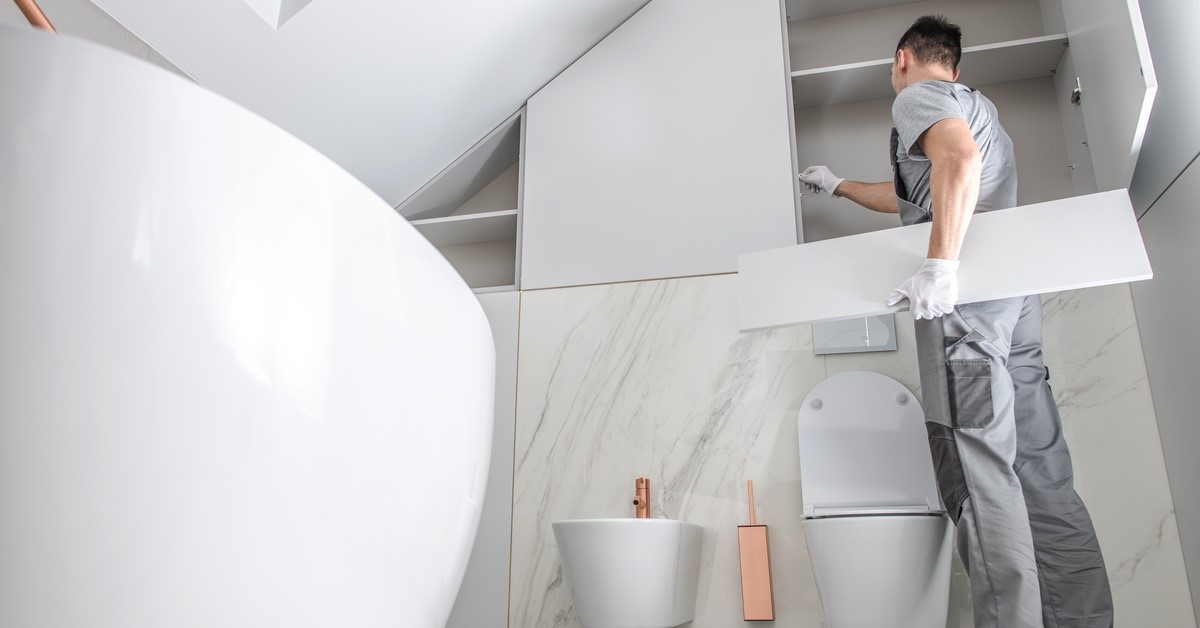
Bathrooms may be one of the smallest rooms in the house, but they can have a big impact on energy use, water consumption, and household waste. More homeowners are starting to think carefully about how their remodeling choices affect the environment and their monthly utility bills. That is why eco-friendly bathroom remodels for sustainable living have become a popular choice for families who want a healthier and more efficient home.
A sustainable bathroom remodel does not mean giving up comfort or style. In fact, modern eco-friendly products often look better, last longer, and perform more efficiently than older materials and fixtures. From water-saving showers to recycled countertops, there are many ways to create a bathroom that feels fresh while supporting a greener lifestyle.
Why Sustainability Matters in Bathroom Remodeling
Bathrooms use a surprising amount of water and electricity every single day. Long showers, outdated toilets, and inefficient lighting can quietly increase utility bills month after month. Remodeling with sustainability in mind helps reduce unnecessary waste while improving the overall function of the space.
Many homeowners also appreciate the long-term value that comes with eco-conscious upgrades. Energy-efficient fixtures and durable materials often require less maintenance and can increase the appeal of the home over time. A sustainable remodel is not only good for the environment, but it can also be a smart financial decision.
Choosing Water-Saving Fixtures
One of the easiest ways to make a bathroom more eco-friendly is by reducing water usage. Older toilets, showerheads, and faucets can waste thousands of gallons of water each year without homeowners even realizing it.
Low-flow toilets are now designed to use significantly less water while still offering strong flushing performance. Many newer models use less than half the amount of water compared to older fixtures. Water-efficient faucets and showerheads can also cut water usage without affecting water pressure.
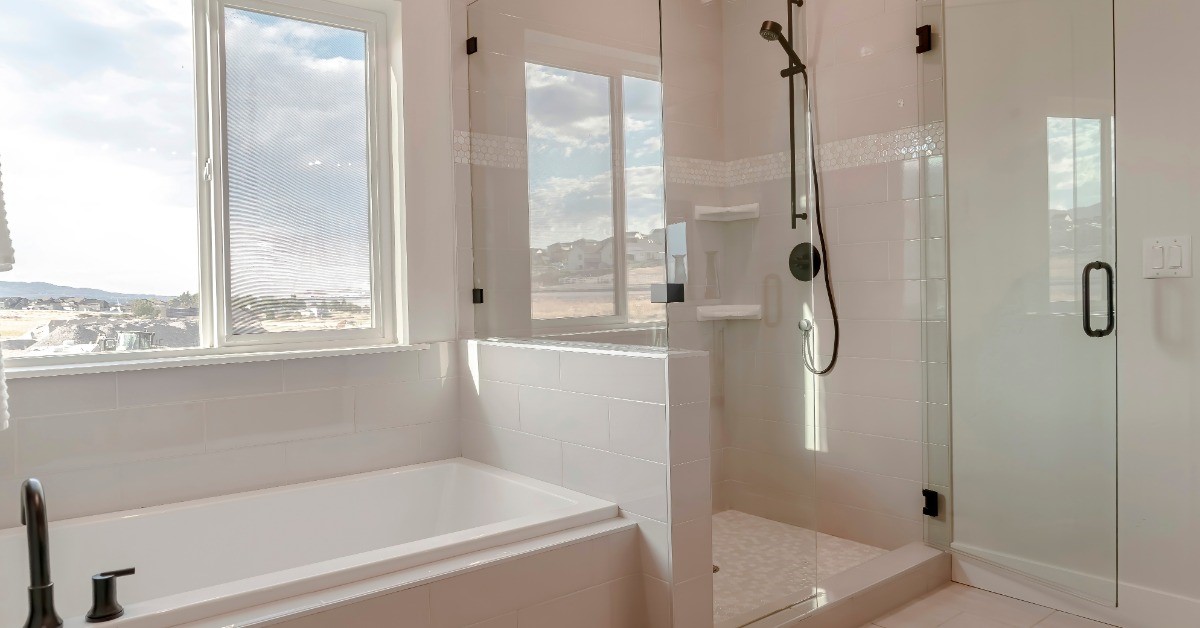
Homeowners who enjoy luxurious showers can still create a spa-like experience while conserving water. Many modern systems combine efficiency with comfort, making sustainability feel natural instead of restrictive. Experienced shower builders can help homeowners choose systems that balance performance, appearance, and water savings.
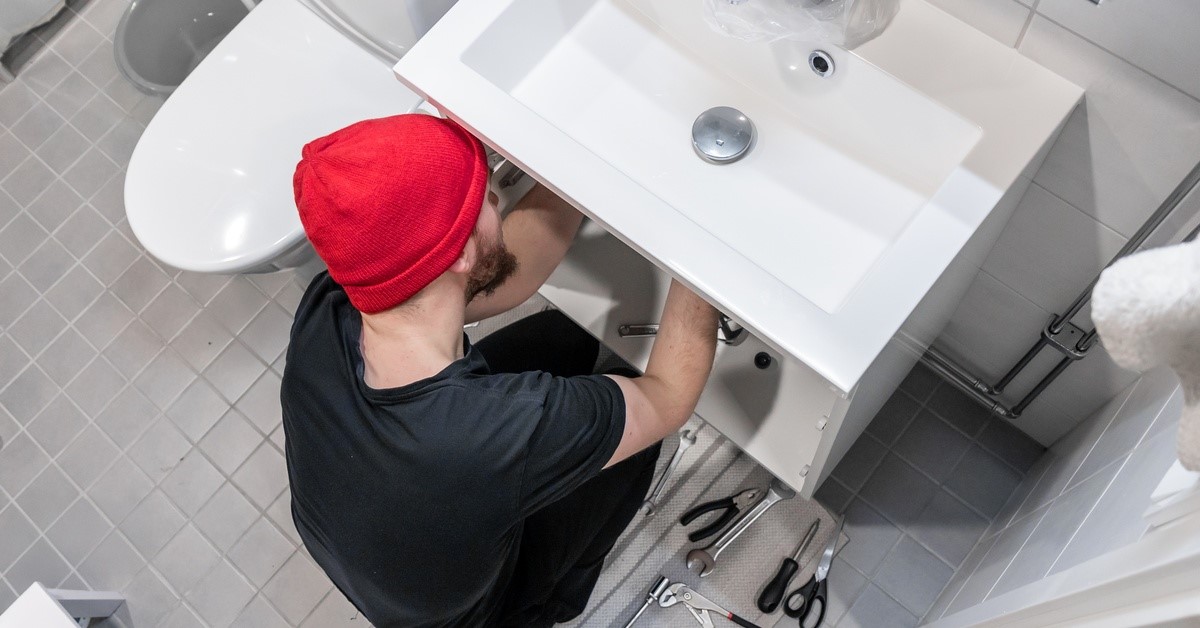
Energy-Efficient Lighting Makes a Difference
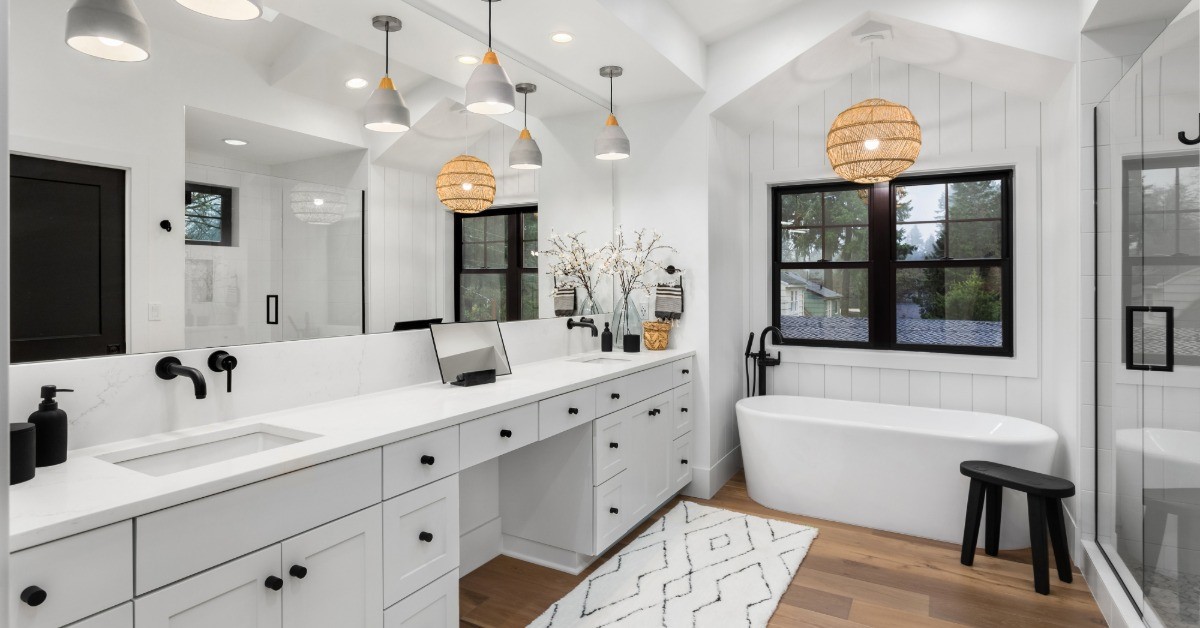
Lighting may seem like a small detail, but it plays a major role in bathroom efficiency. Traditional bulbs generate unnecessary heat and consume more electricity than modern alternatives. Switching to LED lighting is one of the simplest upgrades homeowners can make during a remodel.
LED bulbs last much longer than older bulbs and use far less energy. They also provide excellent lighting for mirrors, vanities, and showers. Since bathrooms often need bright lighting for daily routines, efficient fixtures can noticeably lower electricity costs over time.
Natural lighting is another excellent option for sustainable remodeling. Adding larger windows or skylights can reduce the need for artificial lighting during the day. Natural light also helps bathrooms feel more open and welcoming.
Sustainable Flooring and Countertop Materials
The materials chosen for a bathroom remodel can have a lasting environmental impact. Many traditional materials require energy-intensive manufacturing or contain chemicals that affect indoor air quality. Fortunately, homeowners now have many environmentally friendly options available.
Bamboo flooring has become a popular sustainable choice because it grows quickly and offers excellent durability. Cork flooring is another eco-friendly option that feels comfortable underfoot and naturally resists mold and mildew.
For countertops, recycled glass and reclaimed materials offer a stylish alternative to traditional surfaces. These materials provide unique designs while helping reduce waste. Homeowners who prefer natural stone can also look for responsibly sourced options that support sustainable production practices.
Using long-lasting materials is one of the smartest ways to reduce environmental impact. Products that hold up well over time help avoid future renovations and unnecessary waste.
Improving Ventilation for Healthier Air
A sustainable bathroom is not only about saving resources. It should also create a healthier indoor environment. Poor ventilation can lead to moisture buildup, mold growth, and damaged materials over time.
Modern ventilation systems remove humidity more efficiently while using less electricity. Energy-efficient exhaust fans help maintain better air quality and protect walls and cabinetry from moisture damage.
Homeowners should also pay attention to the products used during remodeling. Low-VOC paints, adhesives, and sealants release fewer harmful chemicals into the air. These products help create a cleaner and more comfortable space for the entire household.
Better ventilation also helps bathrooms stay fresher and cleaner with less effort. That means fewer harsh cleaning products may be needed over time.
Reclaimed and Recycled Design Features
One of the most exciting parts of sustainable remodeling is finding creative ways to reuse materials. Reclaimed wood vanities, recycled tile, and repurposed décor can add personality while reducing environmental impact.
Many homeowners enjoy the charm and character that reclaimed materials bring to a bathroom. Older wood often has unique textures and colors that newer materials cannot easily replicate. Vintage mirrors or repurposed cabinets can also become standout design features.
Recycled tile is another growing trend in eco-friendly bathroom design. Manufacturers now create beautiful tile options using recycled glass, porcelain, and ceramic materials. These products come in a wide variety of colors and patterns that fit both modern and traditional spaces.
Sustainable design does not have to feel plain or overly modern. Mixing recycled materials with warm finishes can create a bathroom that feels inviting and timeless.
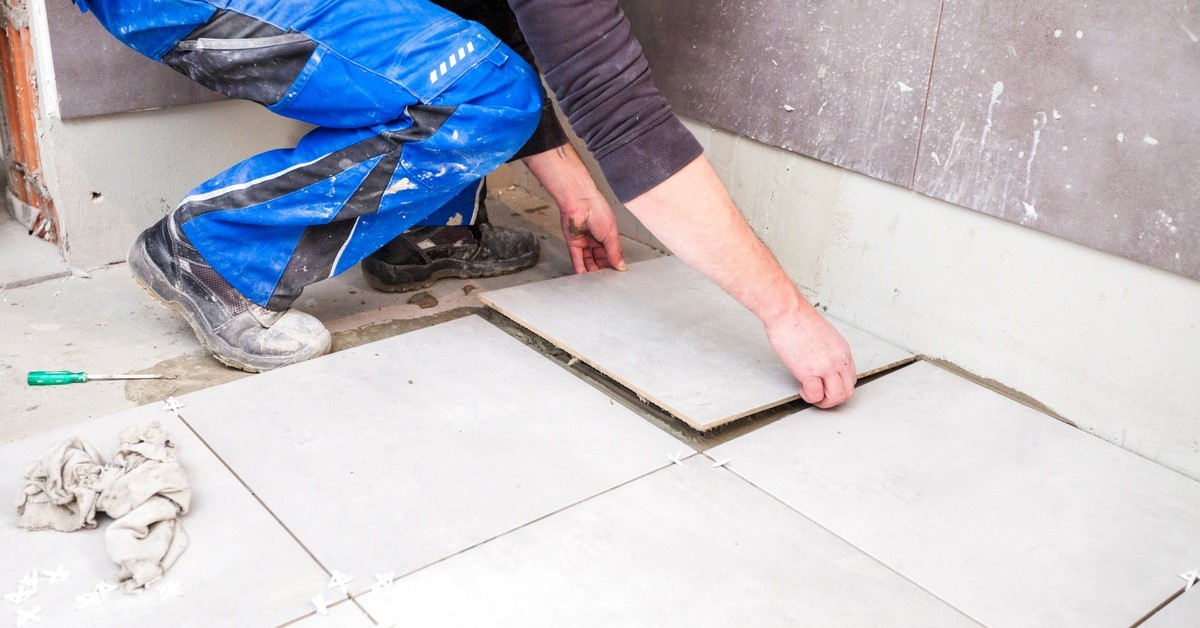
Planning a Remodel That Lasts
Sustainable remodeling is about making thoughtful decisions that continue benefiting the home long after the project is complete. Quality workmanship and durable materials play a major role in creating a bathroom that performs well for many years.
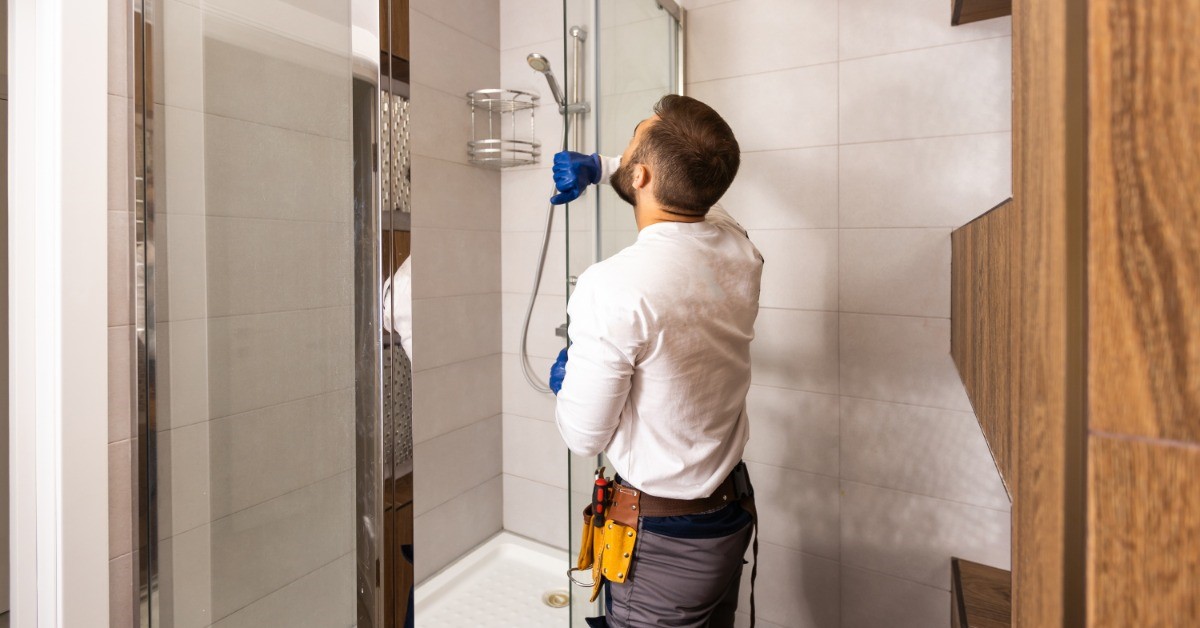
Homeowners should work with experienced remodeling professionals who understand both design and functionality. A carefully planned remodel can help avoid common problems like poor drainage, moisture issues, or inefficient layouts that lead to future repairs.
It is also important to focus on timeless design choices instead of short-lived trends. Neutral colors, durable surfaces, and practical layouts tend to age better and reduce the need for frequent updates.
The goal is to create a bathroom that feels comfortable today while remaining efficient and attractive for the future.
Creating a Greener Bathroom for Everyday Comfort
Many homeowners are realizing that sustainable upgrades can make everyday routines more enjoyable. Efficient showers, brighter lighting, cleaner air, and durable finishes all contribute to a bathroom that feels more relaxing and functional.
At the same time, environmentally conscious remodeling helps reduce strain on natural resources and lowers utility costs over time. Small improvements can add up quickly when used every single day.
Whether the project involves a simple fixture upgrade or a full renovation, sustainable bathroom renovations for greener everyday living offer homeowners an opportunity to improve both comfort and efficiency. Thoughtful remodeling choices can create a bathroom that supports a healthier home while maintaining the warmth and style families want.
Subscribe to Reece Builders's Blog

Comments