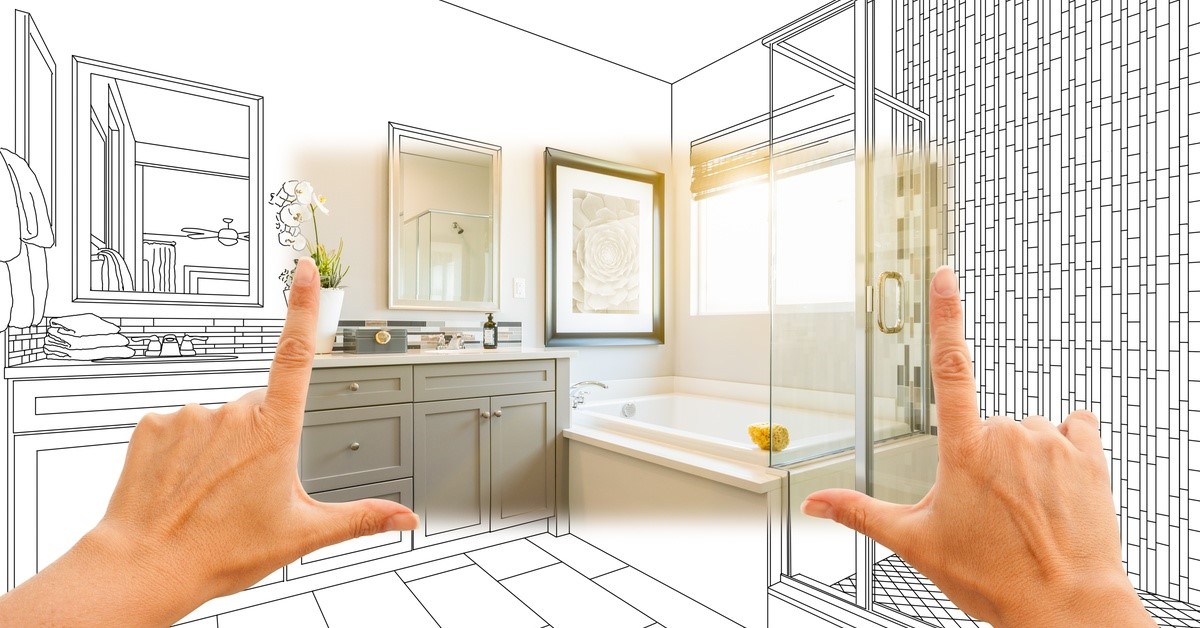
Designing a bathroom that is both functional and visually appealing requires careful planning and a clear understanding of how to utilize space. Whether you’re working with a compact powder room or an expansive master bathroom, the way you arrange fixtures, storage solutions, and décor directly impacts the functionality of the space. With a combination of thoughtful layout decisions and clever design techniques, you can create a bathroom that suits your everyday needs while maintaining an elegant aesthetic. Learn a few smart layout tips for a more functional bathroom to help you transform yours into a highly efficient, yet inviting oasis.
Assess Your Needs and Space
The first step in optimizing your bathroom layout is evaluating your specific needs and the space you’re working with. Consider how many people will be using the bathroom daily and what their routines entail. A family bathroom, for instance, will have vastly different requirements than a sleek en-suite.
Think about the key priorities you want in the space, whether it’s additional storage, dual sinks, or a spacious shower. Measuring your bathroom is also crucial; knowing the exact dimensions allows you to make informed decisions about the placement of essential fixtures and ensures that every square inch is utilized effectively.
Prioritize the Essentials
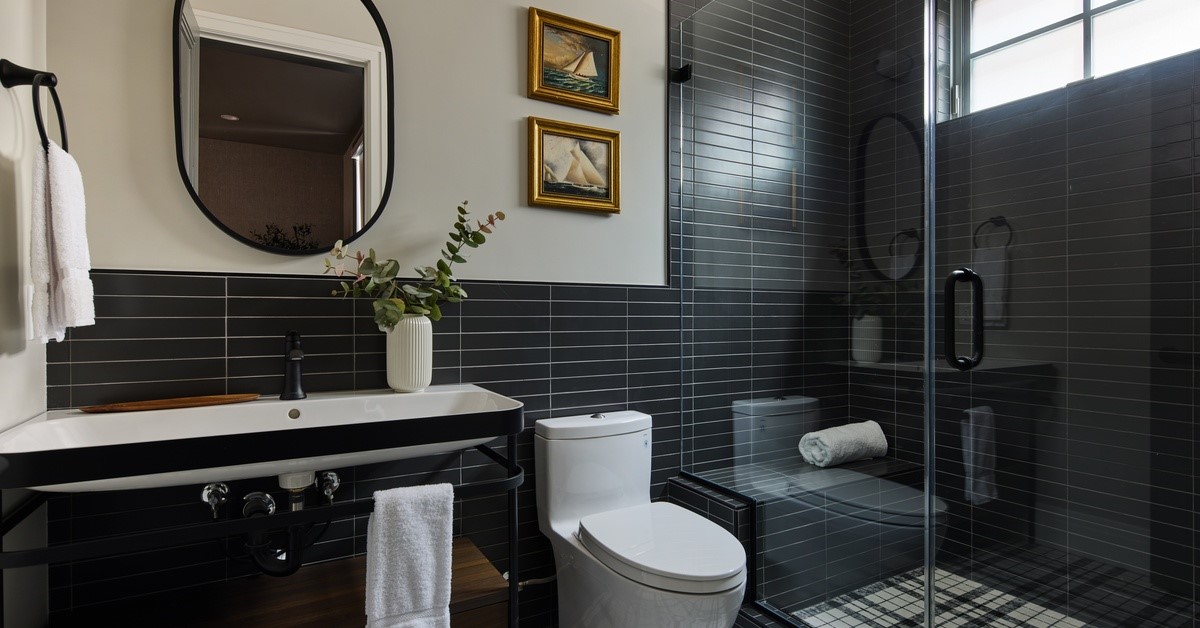
When it comes to bathroom layouts, the location of the primary fixtures, sink, toilet, shower, and bathtub, is something you need to plan carefully. Start by considering functionality and ease of access. For example, placing the sink near the entrance is a convenient choice for washing up on the go, while positioning the toilet in a more discreet location provides privacy.
Similarly, think about sightlines when arranging the layout. If possible, avoid making the toilet the focal point when the bathroom door is open; instead, guide the eye to a more aesthetically pleasing feature, such as a chic vanity or a luxurious shower.
Focus on Efficient Storage Solutions
Smart storage is an essential component of a functional bathroom. Clutter can make even a spacious bathroom feel chaotic and cramped, so incorporating storage options that work within your layout is essential. Wall-mounted vanities and recessed shelving are excellent choices for compact spaces, as they make use of vertical surfaces without encroaching on valuable floor space.
If you have more room to work with, consider installing built-in cabinets or a tall linen closet to store towels, toiletries, and cleaning supplies neatly. Selecting storage solutions that complement your overall design ensures that they blend seamlessly while maintaining functionality.
Maximize Natural and Artificial Lighting
Lighting plays a pivotal role in creating a functional and visually appealing bathroom. Prioritize natural lighting by installing larger windows or skylights if possible, as this enhances the overall ambiance and makes the space feel more open.
For artificial lighting, layering is key. Incorporate a combination of overhead lights, task lighting near mirrors, and ambient lighting to establish a well-lit atmosphere suitable for all activities, from shaving to relaxing in a warm bath. To avoid shadows, install lighting fixtures on either side of the mirror rather than above it, creating an even glow for grooming tasks.
Optimize Traffic Flow and Movement
A well-laid-out bathroom minimizes unnecessary movement and maximizes convenience, so avoid crowding fixtures too close together, as this can make the space difficult to navigate. Pay attention to clearance measurements around each key element to ensure there’s enough room for comfortable use.
For example, leave ample space in front of the toilet and vanity for easy access, and make sure the shower door can open fully without hitting other objects. If you have a smaller bathroom, opting for sliding doors or compact fixtures can improve traffic flow without sacrificing functionality.
Include Versatile Design Features
Flexibility is a hallmark of a truly functional bathroom. Choosing versatile fixtures and flexible design elements allows the space to adapt to changing needs over time. For instance, a walk-in shower with a built-in bench caters to both accessibility and relaxation.
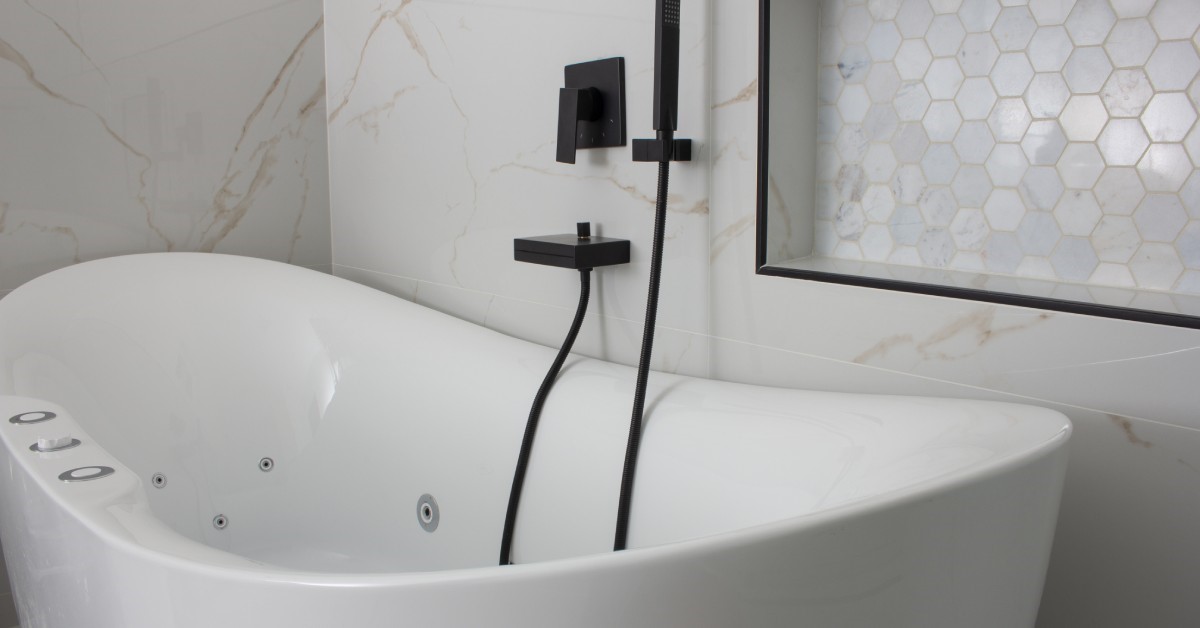
Adjustable showerheads, extendable mirrors, and modular shelving provide additional functionality and convenience. If you have room for a bathtub, consider a combination model with a shower option to accommodate diverse preferences. By prioritizing designs that serve multiple purposes, you enhance the adaptability of your bathroom without overcomplicating the layout.
Use Color and Materials Strategically
The color palette and materials you select have a significant impact on both the look and practicality of your bathroom. Lighter tones, such as whites, creams, and light pastels, can make smaller bathrooms feel larger and more open. Reflective materials like glass, chrome, and polished tiles also amplify natural light and add a sleek, modern touch.
If you want to incorporate darker shades or bold patterns, reserve them for an accent wall or smaller details to avoid overwhelming the space. Additionally, choose durable, water-resistant materials for floors, walls, and countertops to ensure your bathroom can withstand daily wear and tear.
Leverage Technology for a Smarter Bathroom
Modern technology offers innovative solutions for enhancing your bathroom’s functionality. Consider integrating smart features such as motion-activated faucets, heated floors, or LED mirrors with built-in anti-fog capabilities. These additions elevate the convenience and luxury of your bathroom while making daily tasks more efficient.
For those seeking a spa-like experience, smart showers with customizable temperature settings and built-in Bluetooth speakers can bring a new level of relaxation to your routine. Incorporating technology into your bathroom layout not only improves its usability but also future-proofs the space for years to come.
Plan for Ventilation and Maintenance
Proper ventilation is a crucial but often overlooked aspect of bathroom design. Without sufficient air circulation, your bathroom can become a breeding ground for mold and mildew, which not only damages surfaces but also impacts indoor air quality. Ensure your layout includes a high-quality exhaust fan capable of effectively removing excess moisture.
If your layout allows, windows that can be opened serve as a natural ventilation option. Consider how easy it will be to maintain the various elements of your bathroom. Keep hard-to-reach areas to a minimum, and opt for finishes that resist stains, watermarks, and grime to simplify cleaning.
The Balance of Form and Function
Ultimately, a well-designed bathroom strikes the perfect balance between form and function. By combining practical layout strategies for a more functional bathroom with stylish design elements, you can create a space that not only meets your everyday needs but also feels like a personal retreat. From prioritizing lighting and storage to leveraging technology and choosing durable materials, every decision contributes to a bathroom that is as beautiful as it is practical. Whether you’re renovating an existing space or designing from scratch, these smart layout tips guide you toward a bathroom that enhances your lifestyle while reflecting your personal taste.
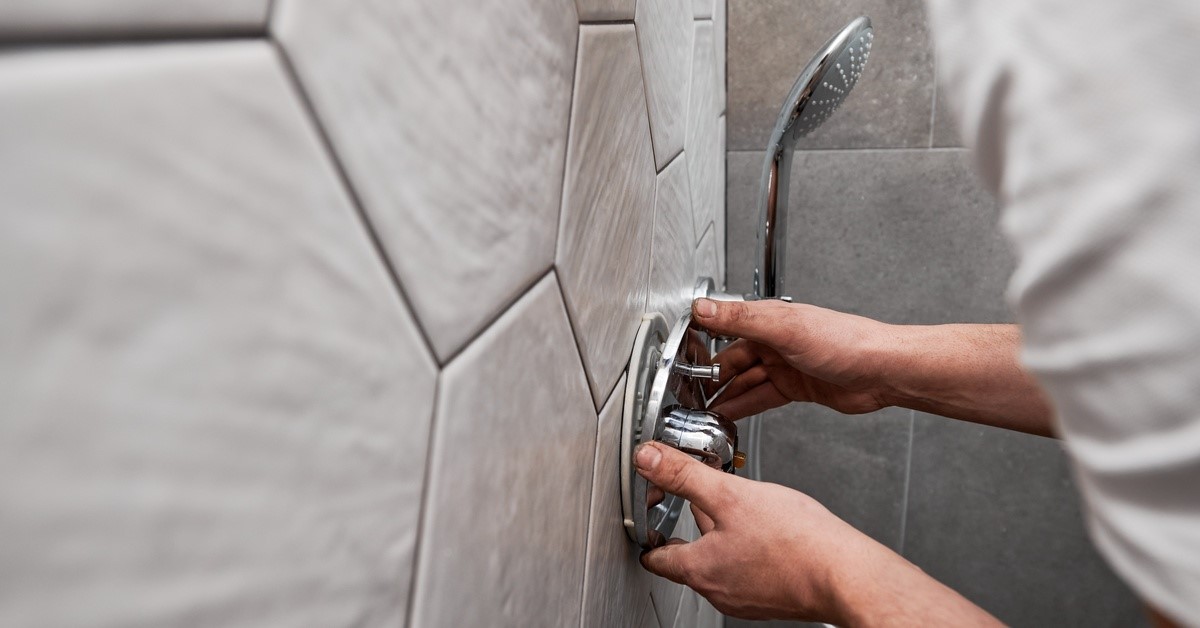
Any type of major home renovation is no easy feat for a homeowner alone to take on. That’s why at Reece Builders, we provide expert shower installations in Winston-Salem to help homeowners bring their dream home to life. Contact us today for more information on the services we provide.
Subscribe to Reece Builders's Blog


Comments