Choosing the right shower for your bathroom is an essential step in creating a functional and aesthetically pleasing space, and two of the most common options are roll-in showers and traditional showers. While both have their unique advantages, the best choice depends on your personal needs, space, and design preferences. Let’s break down the differences between roll-in and traditional showers and take a look at their key features and considerations to help you make an informed decision.
Understanding Roll-In Showers
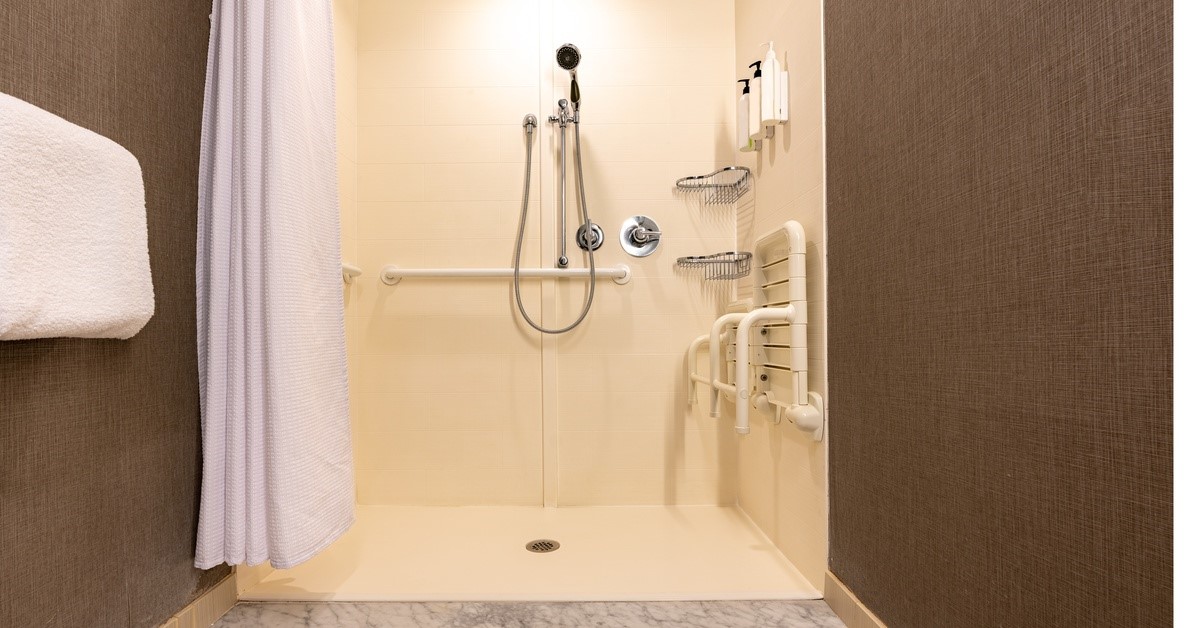
Roll-in showers, also known as walk-in or barrier-free showers, are designed for easy entry without any thresholds or curbs. This design offers complete accessibility, making it ideal for individuals with mobility challenges or those using wheelchairs. Roll-in showers typically have a minimalist and modern appeal, which has contributed to their popularity in both accessible and luxurious bathroom designs.
The absence of a raised threshold allows for seamless transition, making it easier to step in and out. This design is also easier to clean, as it eliminates corners or crevices where water and grime could collect. Roll-in showers often come equipped with a wide shower area, handrails, and built-in seating for enhanced safety and comfort. These features not only make the shower practical but also add a sleek, contemporary touch to the bathroom.
A Close Look at Traditional Showers
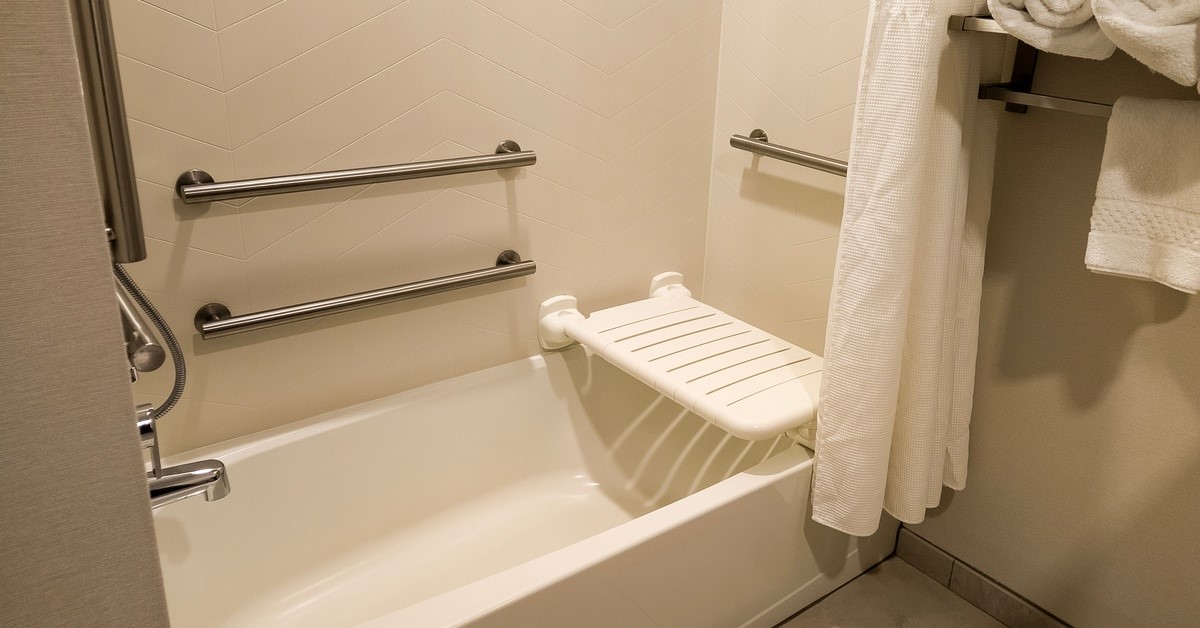
On the other hand, traditional showers are the standard option found in most homes. Characterized by a shower area enclosed by glass doors or curtains, traditional showers often include a curb or threshold to contain water within the designated area. This design helps to prevent water from spilling across the bathroom floor, which is why it has been the go-to choice for decades.
These showers are versatile in design and can range from basic setups to more elaborate models with features like rain showerheads or built-in shelving. Traditional showers tend to work well in bathrooms of all sizes, offering flexibility in terms of layout and customization. Many people choose traditional showers for their classic look and their ability to accommodate a variety of design styles, from rustic to modern.
Accessibility and Usability
One of the most significant factors to consider when choosing between roll-in and traditional showers is accessibility. Roll-in showers are an excellent option for individuals with limited mobility or disabilities, as they provide a safe, easy-to-navigate space. The lack of barriers minimizes the risk of tripping, while optional amenities like grab bars or hand-held showerheads enhance functionality for users of all ages.
While functional for those without accessibility concerns, traditional showers might not meet the needs of individuals with mobility limitations. Stepping over the curb, for example, could pose a challenge for elderly users or those recovering from injuries. However, for households without specific accessibility requirements, traditional showers remain a top choice due to their versatility and design flexibility.
Design and Aesthetic Appeal
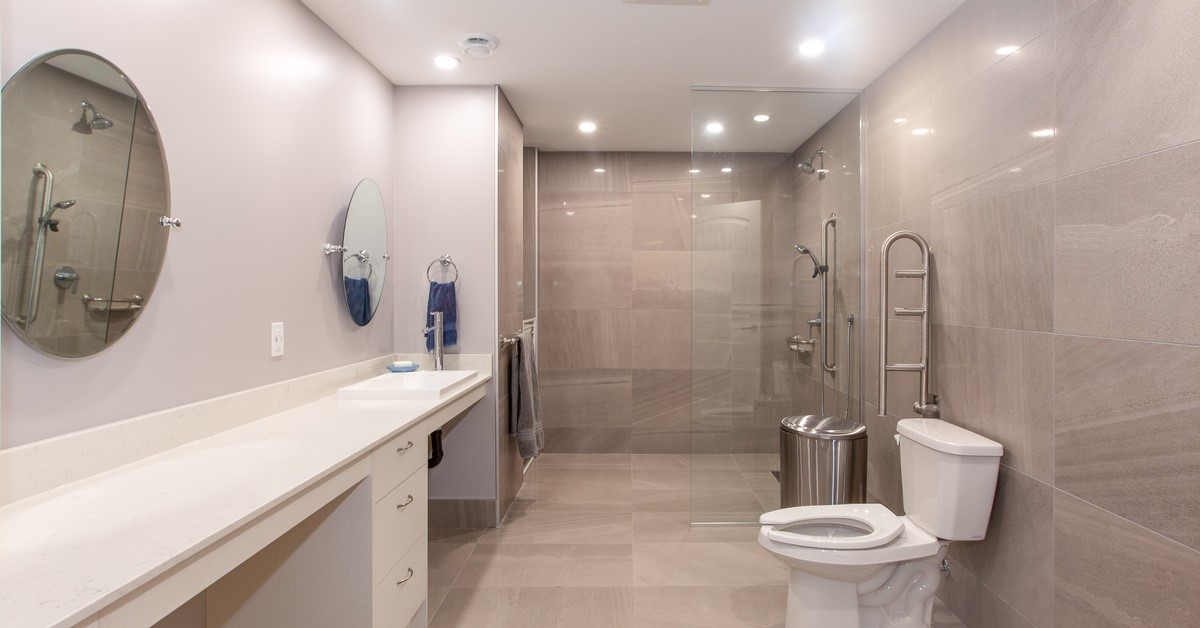
When it comes to design, both roll-in and traditional showers offer distinct advantages. Roll-in showers often embody modernity and elegance, with their open layout making smaller bathrooms appear more spacious. The absence of a threshold or curtain also enhances visual continuity, contributing to a clean, streamlined look.
Traditional showers, however, offer more diversity in design styles. From frosted glass doors to patterned tile walls, traditional setups allow for a variety of creative touches. Whether you prefer timeless elegance or bold, artistic statements, traditional showers provide ample opportunities for customization.
Choosing between these two options depends on how the shower design integrates with your overall bathroom decor. Roll-in showers are perfect for those seeking contemporary simplicity, while traditional showers cater to more classic preferences.
Maintenance and Cleaning
Maintenance is a crucial aspect to consider when choosing between a roll-in shower and a traditional shower. Roll-in showers are often easier to maintain due to their open design. Without a threshold or shower door, cleaning becomes more straightforward, as you can easily access every corner of the space. Furthermore, the absence of barriers reduces the likelihood of mold or mildew forming in hard-to-reach areas.
Traditional showers can present more cleaning challenges because soap scum, water spots, and grime often accumulate on the glass doors, which require regular maintenance to preserve their appearance. Additionally, the presence of a curb or grout lines around the enclosure may necessitate deeper cleaning to prevent buildup over time. Families or individuals who prioritize low-maintenance options may find roll-in showers more suitable for their lifestyle.
Space and Bathroom Layout
The size and layout of your bathroom also play a key role in determining whether a roll-in shower or traditional shower is the better choice. Roll-in showers work particularly well in spacious bathrooms, where their open design can shine. They can also fit into smaller spaces, although it might require more careful planning to contain water splashes due to the absence of barriers.
Traditional showers are often considered more space-efficient. Enclosures keep water contained within a defined area, making them ideal for compact bathrooms with limited square footage. A well-designed traditional shower can maximize the available space without sacrificing functionality or style
Cost Considerations
The expense of installing a shower is another important factor to weigh. Roll-in showers can be slightly more expensive to install than traditional showers due to their need for waterproofing and proper drainage. This is particularly true if your bathroom layout isn’t initially designed for a barrier-free setup, as major renovations may be required.
By contrast, traditional showers are typically less expensive to install, especially if you’re working with a preexisting shower space. They generally involve fewer structural changes and have more readily available components, which keeps costs down for many homeowners.
Choosing the Best Option for Your Needs
When looking at roll-in vs. traditional showers and considering what you need to know, start by evaluating your specific needs. If accessibility, safety, and modern aesthetics are at the top of your priorities, a roll-in shower may be the perfect fit. On the other hand, if you value a classic design, water containment, and budget-friendly installation, a traditional shower might suit your preferences better.
Ultimately, the choice comes down to striking the right balance between function, style, and practicality for your specific circumstances. Whether you’re planning a sleek, contemporary upgrade or looking to maintain timeless elegance, both roll-in and traditional showers offer benefits tailored to various preferences and requirements.
If you find you need a more specialized shower design in your home for greater accessibility, then Reece Builders is here to help make your bathroom a true sanctuary. For homes that require a handicap bathroom remodel in Winston-Salem, our expert contractors are ready to take on that project. Contact us today if you need any more information about the services we provide.
Subscribe to Reece Builders's Blog



Comments