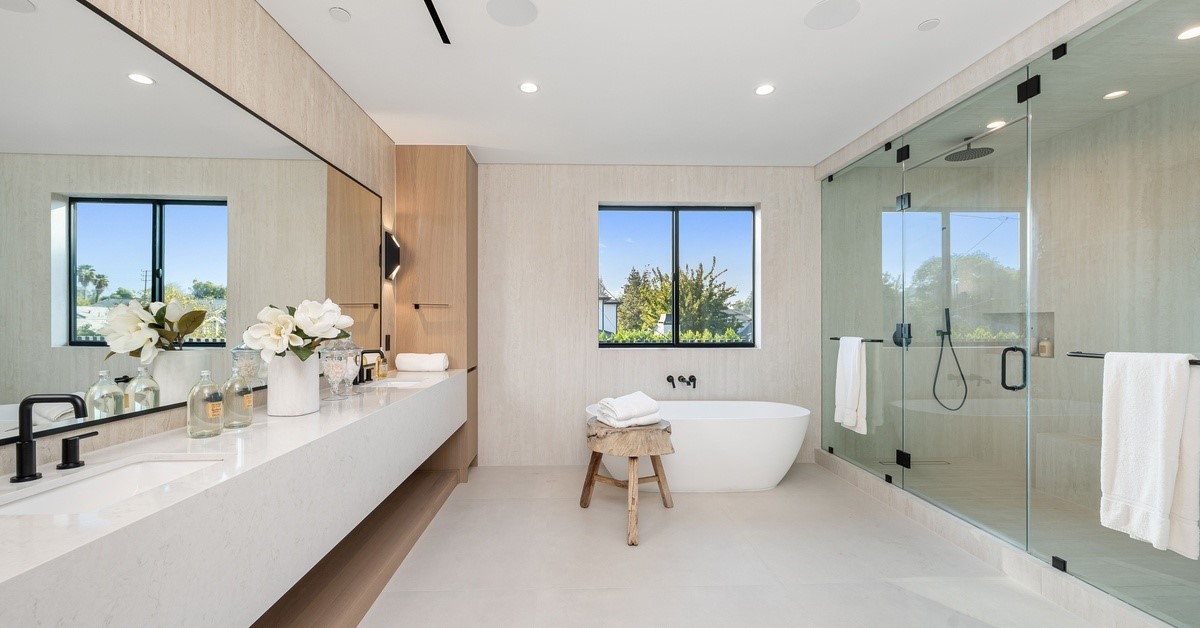
When it comes to designing a stunning modern bathroom, freestanding tubs have become a popular choice for homeowners and interior designers alike. These elegant, stand-alone fixtures exude luxury, offering an upscale spa-like experience in the comfort of your own home. However, as with any design decision, freestanding tubs come with their own set of advantages and disadvantages. Understanding both the pros and cons of freestanding tubs in modern bathrooms can help you decide whether this eye-catching option is the right fit for your space.
The Aesthetic Appeal of Freestanding Tubs
One of the primary reasons freestanding tubs have gained so much popularity is their timeless aesthetic appeal. These tubs serve as a focal point in any bathroom and give the space a high-end and polished look. Freestanding tubs are available in a variety of shapes, sizes, and materials that range from sleek and modern designs to classic clawfoot styles. This versatility allows homeowners to choose a tub that complements their personal taste and the overall design theme of their bathroom.
The freestanding nature of these tubs also creates a sense of openness in the room, helping smaller baths appear less cramped. Unlike built-in tubs, which are often boxed into a corner, you can position a freestanding tub anywhere to maximize the design flexibility of the space.
Enhanced Relaxation and Comfort
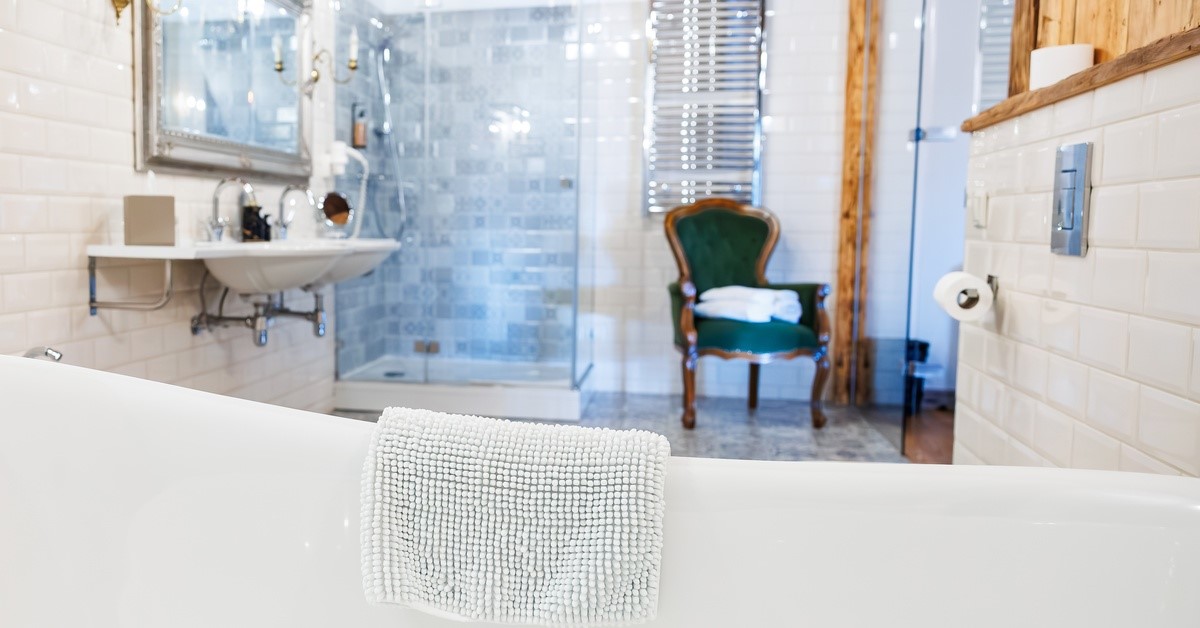
Freestanding tubs are not just stylish; they also prioritize comfort. These tubs often feature ergonomic shapes that cradle the body, making them ideal for long, relaxing soaks. Many modern freestanding tubs are designed with deeper basins, allowing you to fully submerge and enjoy the calming benefits of warm water. Adding customizable features such as built-in armrests or sloped backs can further elevate the bathing experience and transform it into a luxurious ritual.
The spaciousness of freestanding tubs often allows for a more enjoyable soak, and their standalone nature can give the sense of a spa retreat. Whether you're seeking a peaceful moment after a stressful day or indulging in self-care routines, these tubs can contribute to your overall well-being.
Space and Installation Challenges
While freestanding tubs bring undeniable charm, their installation comes with specific challenges. Freestanding tubs generally require more space compared to built-in options. If you have a smaller bathroom, fitting a freestanding tub could be tricky, as these tubs often need adequate clearance around them to maintain their aesthetic impact. Squeezing one into an already tight space may diminish its striking visual appeal.
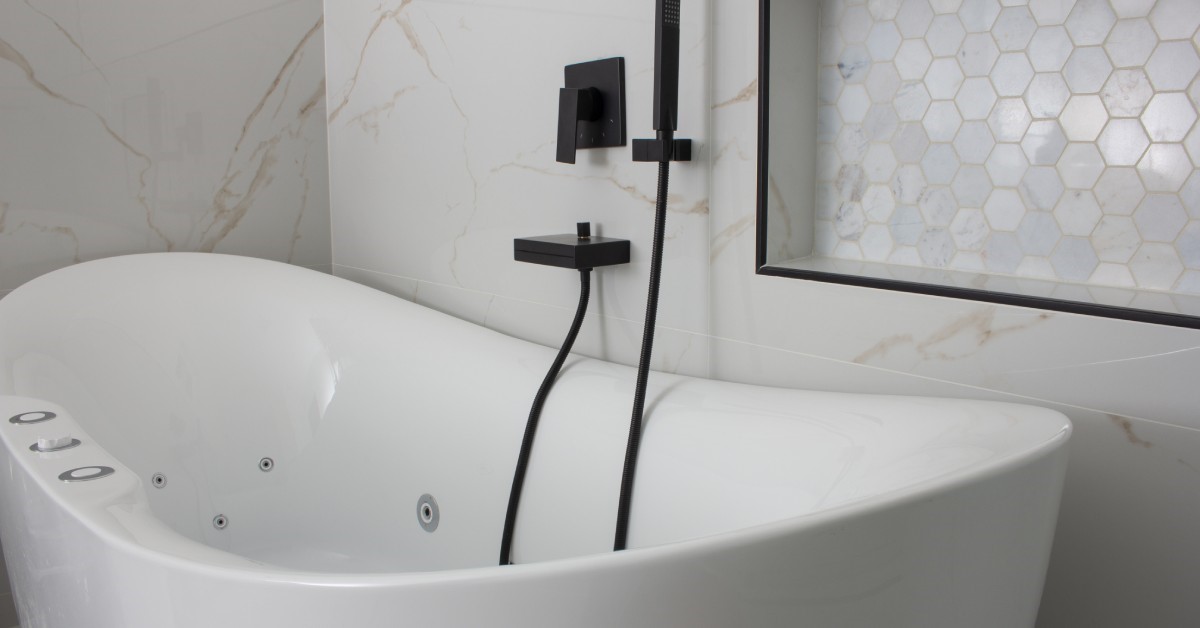
Installation can also be more demanding, as freestanding tubs usually require specialized plumbing. Depending on your bathroom’s current layout, additional modifications may be necessary, which could increase both the time and cost of the project. Freestanding tubs positioned in the center or away from walls require floor-mounted faucets, which can add complexity and expense to the overall design.
Considerations About Comfort Levels Beyond Bathing
While freestanding tubs excel in comfort when it comes to bath time, there are certain functional drawbacks to note. For one, these tubs often lack built-in storage for bathing essentials like soap or shampoo. Without an adjoining wall or deck, you're left searching for alternative solutions, such as a bath cart or floor-standing caddy, to hold your items. This can add an extra layer of inconvenience to what should be a seamless bathing experience.
Freestanding tubs can also be more challenging to clean. Their freestanding nature means that all sides must be accessible, which can be tricky if your tub is placed close to a wall or in the middle of the room. Keeping both the tub and the surrounding floor spotless can require extra effort compared to a built-in design.
Cost Implications and Material Considerations
Freestanding tubs tend to be more expensive than built-in options, and the costs don’t stop at the initial purchase. High-quality materials like stone, cast iron, or acrylic drive up the price tag but also impact durability and hydration properties. Acrylic tubs, for instance, are lightweight and affordable but may not retain heat as well as their heavier counterparts.
On the other hand, natural stone tubs are luxurious but come with a significant price and weight. The heavier the tub, the more you may need to invest in reinforcing the bathroom floor to support it. These additional costs should be considered alongside the aesthetic and experiential benefits of a freestanding tub.
Energy Efficiency and Water Usage
Another factor to keep in mind is water usage. Freestanding tubs, especially those with deep basins, often require more water to fill compared to smaller, built-in options. This could increase your water bill and may be a concern for those looking to conserve resources. If you live in an area with limited water supply or are conscious of your environmental impact, the added water usage is worth serious thought.
Additionally, the thermal properties of the tub material can impact how effectively it holds heat. Tubs with poor heat retention may force you to refill warm water more frequently to maintain the ideal bath temperature, resulting in higher energy and water consumption over time.
Long-Term Value and Resale Impact
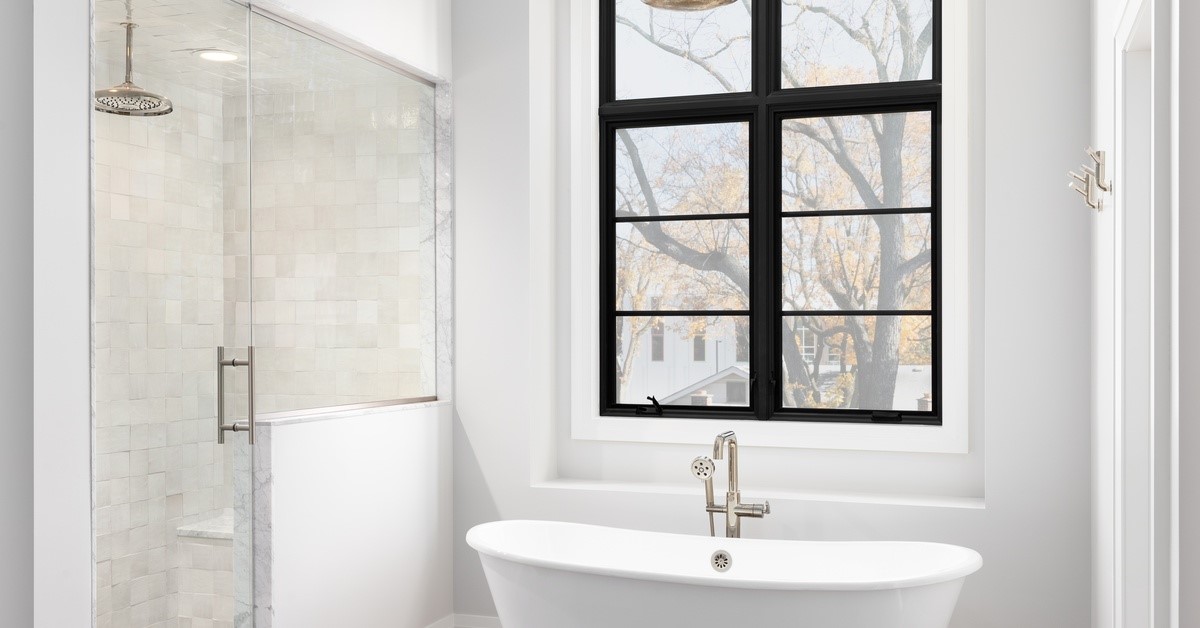
From a real estate perspective, adding a freestanding tub can boost your home’s appeal and market value. Many potential buyers are drawn to the luxurious aesthetic of a freestanding tub, especially if it complements a stylish bathroom design. However, preferences vary widely, and some buyers may prioritize a more practical or family-friendly bathroom setup over aesthetic elements. It’s essential to consider your long-term plans and whether investing in a freestanding tub aligns with your goals for functionality and resale.
Find the Best Solution
Freestanding tubs are a striking and luxurious addition to modern bathrooms that offer aesthetic appeal, relaxation benefits, and endless design opportunities. However, they are not without their challenges. Factors like installation complexity, required space, higher costs, and maintenance could make them less practical for some homeowners. Ultimately, weighing the pros and cons of freestanding tubs will help inform your decision to install one or to look for more traditional options.
Bathroom renovations and updates are never easy for any homeowner, as they involve many considerations, from aesthetic choices to budgetary concerns. At Reece Builders, we aim to make that process as easy as possible for our clients so they don’t have to waste any time worrying about logistics. If you’re looking for bathroom conversions in Winston-Salem, our professional contractors stand ready to help bring your plans into reality. Contact us today for more information about our services.
Subscribe to Reece Builders's Blog


Comments