Choosing the right bathtub can completely transform the look and functionality of your bathroom. Whether you are planning a full remodel or simply upgrading your existing tub, one of the biggest decisions you will face is whether to install a freestanding tub or a built-in model. Both options offer distinct advantages, and the best choice depends on your space, budget, and design goals.
When considering freestanding vs. built-in tubs and which is best for your home, you’ll want to understand all the quirks, advantages, and potential drawbacks each type comes with.
Understanding Freestanding Tubs
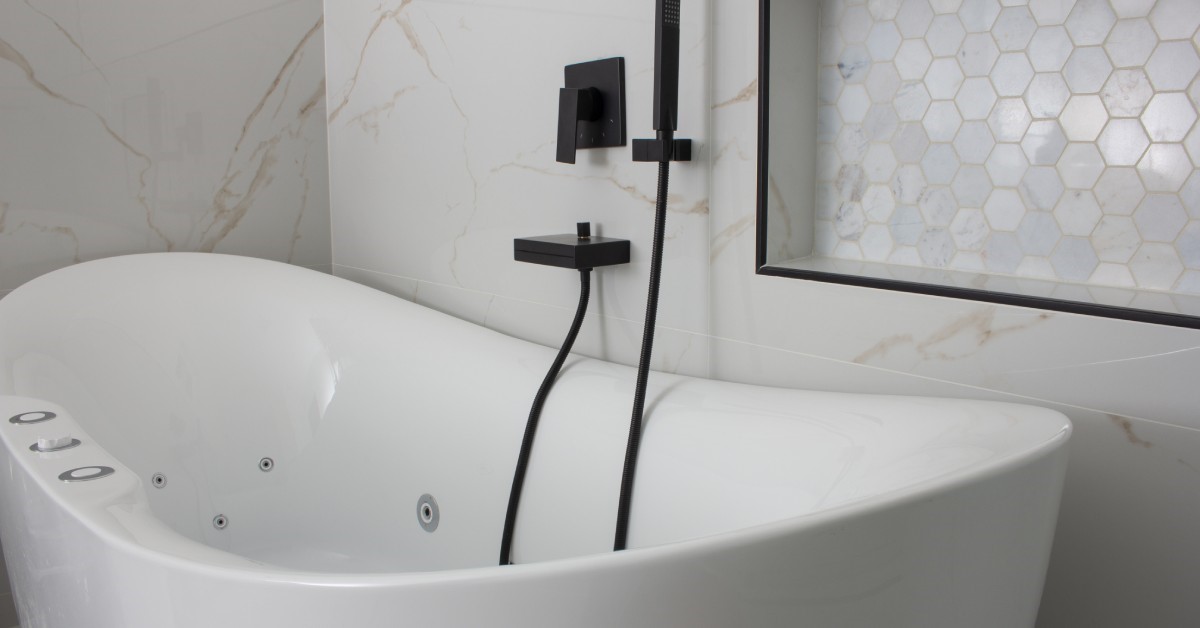
Freestanding tubs are designed to stand alone without being attached to walls or enclosed within a frame. They often serve as a dramatic focal point, instantly elevating the visual appeal of a bathroom. These tubs come in a wide range of styles, from classic clawfoot designs to sleek, modern silhouettes with clean lines.
One of the biggest advantages of a freestanding tub is its aesthetic impact. It creates a spa-like atmosphere and works beautifully in larger bathrooms where space allows the tub to take center stage. Because it is exposed on all sides, a freestanding tub can be placed in various locations, such as near a window or even in the middle of the room, depending on plumbing access.
However, freestanding tubs typically require more floor space. They also may need specialized floor-mounted or wall-mounted faucets, which can increase installation complexity and cost.
Understanding Built-In Tubs
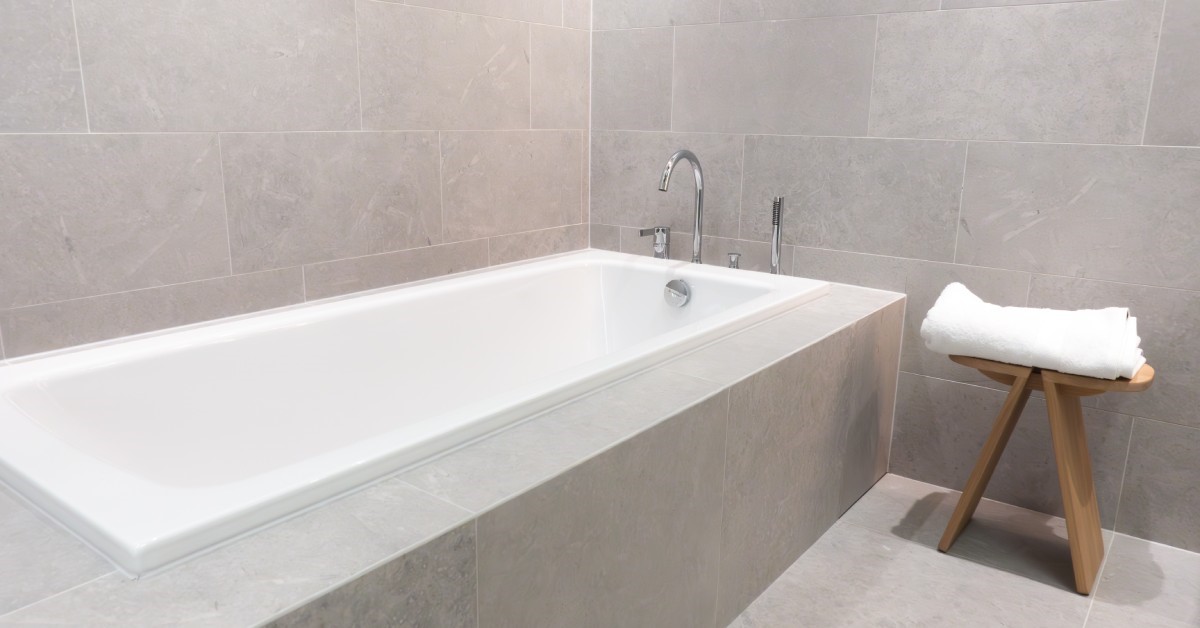
Built-in tubs, sometimes referred to as alcove or drop-in tubs, are installed against one or more walls and are often enclosed within a framed structure. This style is the most common in residential homes, particularly in family bathrooms.
A built-in tub is generally more space-efficient, making it ideal for smaller bathrooms or layouts where maximizing square footage is essential. Because it is enclosed, it often doubles as a shower-tub combination, which is practical for households with children or those who prefer showers most of the time.
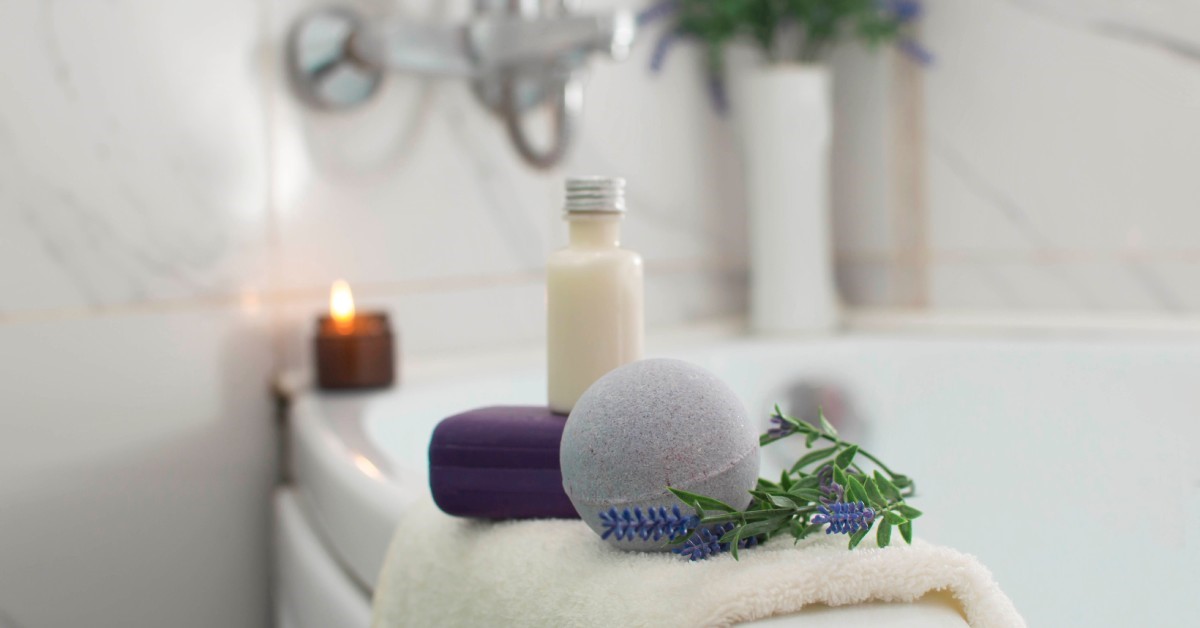
Built-in tubs also offer more storage opportunities. The surrounding ledge can provide space for toiletries, candles, or bath accessories. In many cases, built-in tubs are more budget-friendly and easier to install, especially if you are replacing an existing tub in the same location.
Design and Aesthetic Considerations
When it comes to visual impact, freestanding tubs often steal the spotlight. Their sculptural appearance adds elegance and luxury, making them a popular choice in high-end bathroom designs. They pair beautifully with statement tile, bold flooring, or large-format stone surfaces, creating a cohesive and upscale feel.
Built-in tubs, on the other hand, offer a more streamlined and integrated look. They can be customized with tile surrounds, stone panels, or decorative finishes that complement the rest of the bathroom. This makes them highly adaptable to various design styles, from traditional to contemporary.
If your goal is to create a dramatic focal point, a freestanding tub may be the right choice. If you prefer a seamless, practical layout that blends with cabinetry and shower enclosures, a built-in tub could be the better fit.
Space and Layout Requirements
The size and layout of your bathroom play a crucial role in determining which tub works best. Freestanding tubs require clearance on all sides for visual balance and accessibility. In smaller bathrooms, this can make the space feel cramped if not carefully planned.
Built-in tubs are designed to fit snugly into corners or alcoves, making them efficient for tight spaces. This layout also simplifies plumbing since the connections are typically concealed within the surrounding walls.
In larger bathrooms, a freestanding tub can help fill open floor space and create a luxurious retreat. In compact bathrooms, a built-in tub often maximizes functionality without sacrificing comfort.
Installation and Plumbing Considerations
Installation is another important factor to consider. Freestanding tubs may require adjustments to your plumbing system, especially if you want to position the tub away from existing water lines. Floor-mounted faucets and exposed plumbing can add both visual interest and additional cost.
Built-in tubs are usually simpler to install, particularly if you are replacing an old alcove tub. The plumbing is hidden behind walls, which can reduce labor time and expense. If you are working within a strict budget or timeline, a built-in tub may offer a more straightforward solution.
It is also worth noting that freestanding tubs can be heavier, depending on the material; this may require reinforcing the floor in some cases, especially in older homes.
Comfort and Functionality
Comfort should never be overlooked when choosing a bathtub. Freestanding tubs are often deeper, allowing for a more immersive soak. Their ergonomic shapes can provide excellent support, making them ideal for relaxation.
However, because freestanding tubs lack surrounding ledges, storage for bath products must be planned elsewhere. You may need a nearby table or shelving unit to keep essentials within reach.
Built-in tubs typically offer more practical features for everyday use. The integrated surround can hold shampoo, soap, and other items conveniently. Many built-in models are designed with families in mind, offering easy access and compatibility with shower systems.
If soaking is your primary goal, a freestanding tub may provide a more indulgent experience. If versatility and convenience are top priorities, a built-in tub might better serve your needs.
Maintenance and Cleaning
Maintenance is another key consideration. Freestanding tubs can be easier to clean around if there is sufficient space, but tight gaps between the tub and walls can make dust and debris harder to reach.
Built-in tubs often have fewer exposed surfaces, but grout lines and tile surrounds may require regular cleaning to prevent mold or mildew buildup. Choosing high-quality materials and proper sealing can help reduce maintenance demands.
Ultimately, both styles require routine care, but your cleaning preferences and tolerance for upkeep may influence your decision.
Cost Comparison
Budget plays a significant role in any renovation project. Freestanding tubs can range widely in price, especially if you opt for premium materials such as cast iron or stone resin. Additional costs for specialized faucets and plumbing modifications should also be factored into your overall budget.
Built-in tubs are generally more cost-effective, particularly standard acrylic models. Installation is often simpler, which can reduce labor expenses. However, custom tile surrounds or high-end finishes can increase the total investment.
When evaluating cost, consider not only the upfront price but also long-term value. A well-chosen tub can enhance your home’s appeal and potentially increase resale value.
Which Option Is Best for Your Home?
The best bathtub for your home depends on your priorities. If you envision a luxurious bathroom retreat with a statement centerpiece, a freestanding tub may align perfectly with your vision. It offers elegance, flexibility in placement, and a spa-like soaking experience.
If practicality, space efficiency, and budget are more important, a built-in tub may be the smarter choice. It works well in family bathrooms, supports shower combinations, and typically involves less complex installation.
Consider your bathroom’s size, your daily routine, and your long-term plans for the home. A thoughtful assessment of these factors will guide you toward a decision that balances style and functionality.
Find Your Perfect Tub
When choosing between freestanding and built-in tubs, it’s important to know their strengths and drawbacks to make the best purchase possible. The right choice depends on how you use your bathroom, the look you want to achieve, and the investment you are prepared to make.
By weighing design preferences, available space, installation requirements, and budget considerations, you can select a bathtub that enhances your home for years to come. Whether you choose the sculptural elegance of a freestanding tub or the practical versatility of a built-in model, the result should be a bathroom that feels comfortable, inviting, and tailored to your lifestyle.
Bathroom renovations require a lot of work, and it’s essential to enlist the help of experienced professionals to make sure everything goes right. At Reece Builders, our Winston-Salem bathroom remodeling services ensure that your renovation projects go off without a hitch; contact us today and learn more about how we can help make your next project a reality.
Subscribe to Reece Builders's Blog


Comments