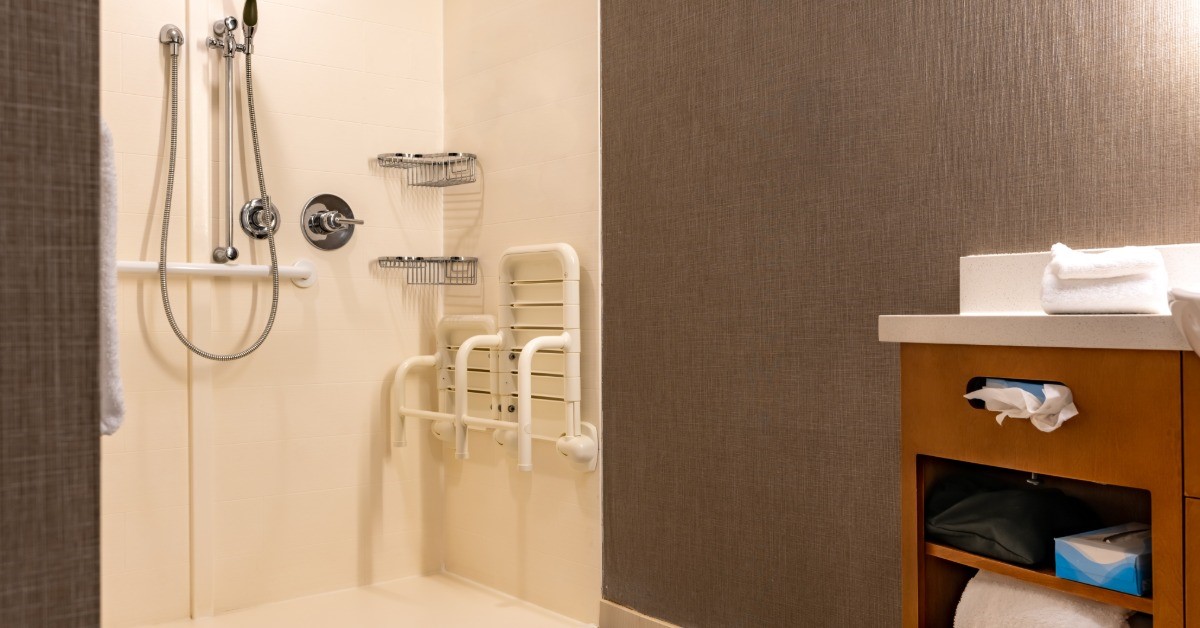
Roll-in showers have become a popular choice for homeowners who want a bathroom that is safer, easier to use, and more accessible. These showers remove the barrier of a traditional curb, creating a smooth entry that works well for people of all ages and mobility levels. While the open design offers convenience and comfort, it also makes proper drainage more important than ever. Without the right drainage system, water can quickly spread beyond the shower area and create problems throughout the bathroom.
For homeowners considering a bathroom remodel, especially those planning a roll-in shower, understanding the importance of proper drainage in roll-in showers can save time, money, and headaches later. A well-designed drainage system keeps water moving exactly where it belongs. When done correctly, it protects your floors, walls, and subfloor from long-term damage.
What Makes Roll-In Showers Different
Traditional showers typically have a raised threshold or curb that helps keep water contained inside the shower pan. Roll-in showers remove that barrier, allowing someone to walk or roll straight into the shower space. This open design creates a cleaner look and makes the shower easier to access.
However, removing that curb also means water has fewer natural boundaries. The slope of the floor and the location of the drain must do all the work of directing water away. If the slope is even slightly off, water can travel outward instead of toward the drain.
Because of this, roll-in showers require careful planning during the design and installation process. The floor pitch, waterproofing layers, and drain placement must all work together. When these elements are handled properly, the shower functions smoothly without water escaping into the rest of the bathroom.
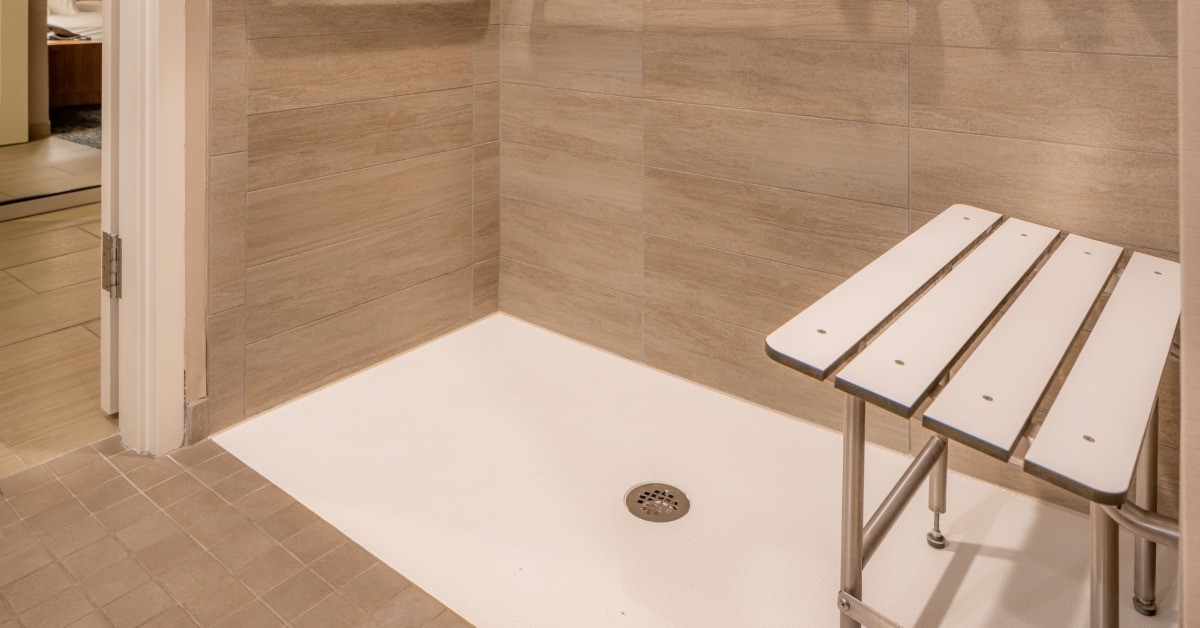
Why Drainage Matters More Than You Might Think
It is easy to focus on the visible parts of a bathroom remodel like tile, fixtures, and lighting; drainage, on the other hand, is hidden beneath the surface, so it often gets overlooked. Even though you cannot see it, the drainage system is one of the most important parts of a roll-in shower.
Poor drainage can cause water to pool on the shower floor. Standing water not only feels unpleasant but can also create slipping hazards. Over time, this moisture can work its way into grout lines and seams.
Once water starts getting below the surface, bigger problems can develop. Mold growth, damaged flooring, and structural issues are all possible when moisture builds up in hidden areas. Proper drainage helps prevent these problems before they ever start.
How Floor Slope Controls Water Flow
The slope of the shower floor plays a major role in directing water toward the drain. In a roll-in shower, the floor typically slopes slightly toward the drain from all directions. This gentle pitch encourages water to flow naturally without creating noticeable unevenness underfoot.
If the slope is too shallow, water may linger or spread across the floor. If it is too steep, the floor can feel uncomfortable or even unsafe to stand on. Finding the right balance is key to a well-functioning shower.
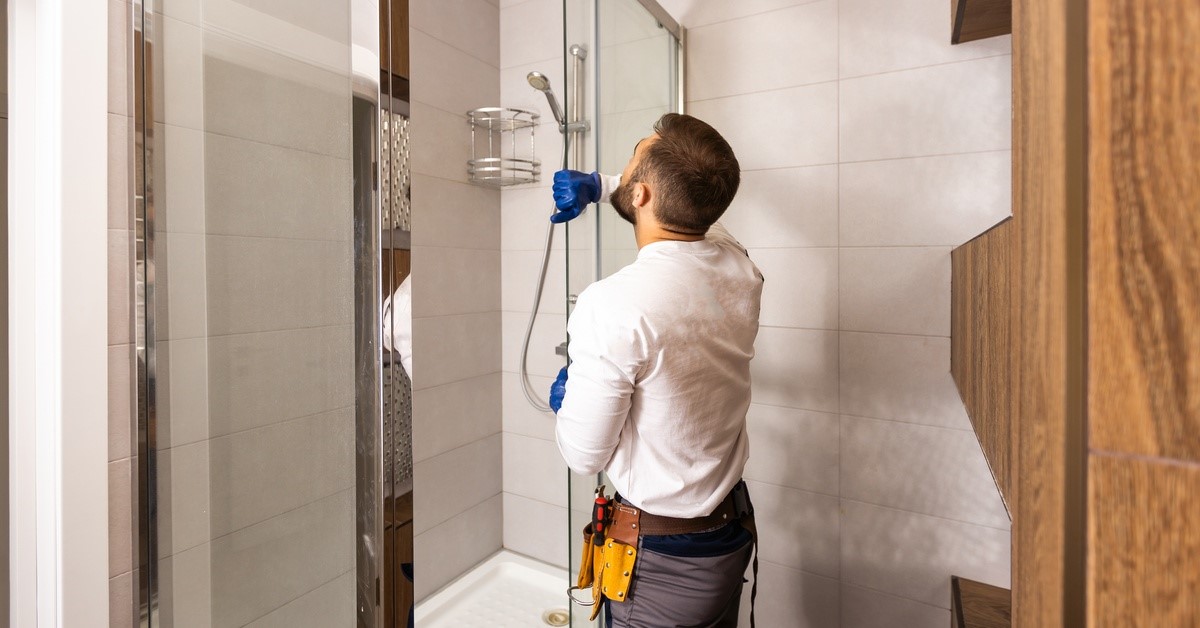
Professional handicap shower installers carefully measure and construct the subfloor to create the correct pitch before any tile is installed. This step may not be visible when the job is finished, but it makes a huge difference in how the shower performs every day.
The Role of Proper Drain Placement
Where the drain sits inside the shower area also affects how well the system works. Some roll-in showers use a traditional center drain, while others rely on linear drains placed along one edge of the shower.
Linear drains have become especially popular in modern bathroom designs. These long drains run along the wall or at the shower entrance and allow the floor to slope in one direction instead of multiple directions. This approach can simplify the installation and create a sleek appearance.
Regardless of the drain style, placement must be carefully planned. The goal is always the same: guide water quickly toward the drain without allowing it to spread into the surrounding bathroom area.
Waterproofing Protects What You Cannot See
Even the best drainage system would struggle without proper waterproofing. Beneath the tile and grout, professional installers apply waterproof membranes that protect the underlying structure from moisture. These membranes act as a barrier that keeps water from seeping into the subfloor or walls.
In a roll-in shower, waterproofing often extends beyond the immediate shower area. Since water has more freedom to move across the floor, extra protection helps ensure the entire bathroom remains dry and protected.
Good waterproofing also helps extend the life of the shower. When moisture is kept under control, materials like wood framing, drywall, and subflooring stay in better condition for years.
Preventing Mold and Mildew Problems
Bathrooms naturally deal with humidity and moisture every day. When water sits too long in one place, mold and mildew can quickly start to form. These issues are not just unpleasant to look at; they can also affect indoor air quality.
Proper drainage reduces the chances of moisture lingering on the shower floor. When water flows efficiently into the drain, surfaces dry faster after each use. Faster drying means fewer opportunities for mold to grow.
This is especially helpful in households where the shower gets frequent use. A well-drained roll-in shower stays cleaner and fresher with less effort from the homeowner.
Avoiding Expensive Repairs Later
One of the biggest reasons proper drainage for roll-in showers is important is the cost of fixing mistakes. Water damage often develops slowly and may not be visible until the problem becomes severe. By the time flooring begins to warp or tiles loosen, repairs can become expensive.
Fixing drainage problems often requires removing tile, replacing subfloor materials, and rebuilding parts of the shower. That kind of work can turn a simple repair into a major project.
Planning drainage correctly during the initial remodel helps homeowners avoid these surprises. Investing in proper installation from the beginning typically saves money in the long run.
Creating a Safer Bathroom Environment
Safety is one of the main reasons people choose roll-in showers in the first place. The open entry eliminates the need to step over a curb, which can reduce the risk of trips and falls. However, safety can quickly disappear if water spreads across the bathroom floor.
Effective drainage helps keep water contained within the shower space. When water flows where it should, the surrounding floor stays dry and easier to walk on.
This is especially important for households with older adults or anyone with limited mobility. A properly designed shower provides both convenience and peace of mind.
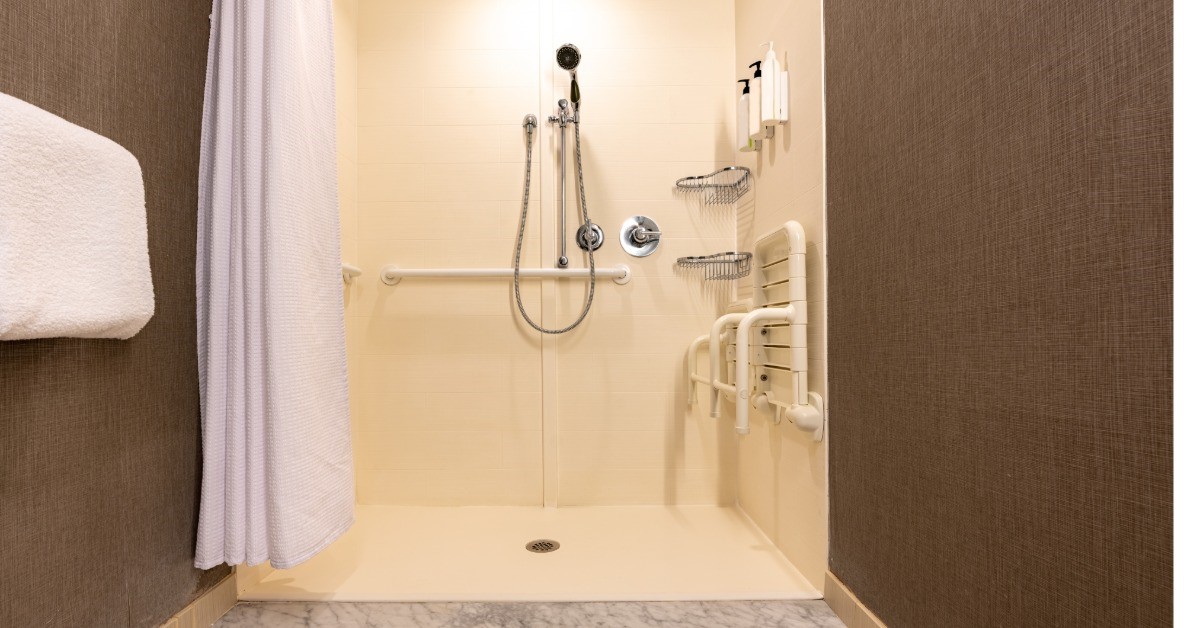
Why Professional Installation Makes a Difference
Roll-in showers may look simple on the surface, but they require precise construction to function properly. The slope of the floor, waterproofing layers, and drain installation must all work together. Even small mistakes can affect how well the drainage system performs.
Professional installers understand how these components interact. They use the right materials and techniques to ensure water flows correctly every time the shower is used.
For homeowners planning a bathroom upgrade, working with experienced remodelers can make the process smoother and the results more reliable. A properly installed roll-in shower not only looks great but also performs exactly the way it should.
Enhance Your Bathroom’s Style
Roll-in showers offer a stylish, accessible option for modern bathrooms. Their open design creates a spacious feel and makes daily routines easier for many homeowners. At the same time, that open layout means proper drainage is absolutely essential.
When the floor slope, drain placement, and waterproofing are handled correctly, the shower stays safe, dry, and easy to maintain. Water flows where it belongs, and the rest of the bathroom remains protected from damage.
For anyone considering a roll-in shower remodel, paying close attention to drainage during the planning stage is one of the smartest decisions you can make. A well-built drainage system may be hidden beneath the surface, but it plays a huge role in keeping your bathroom working beautifully for years to come.
Subscribe to Reece Builders's Blog


Comments