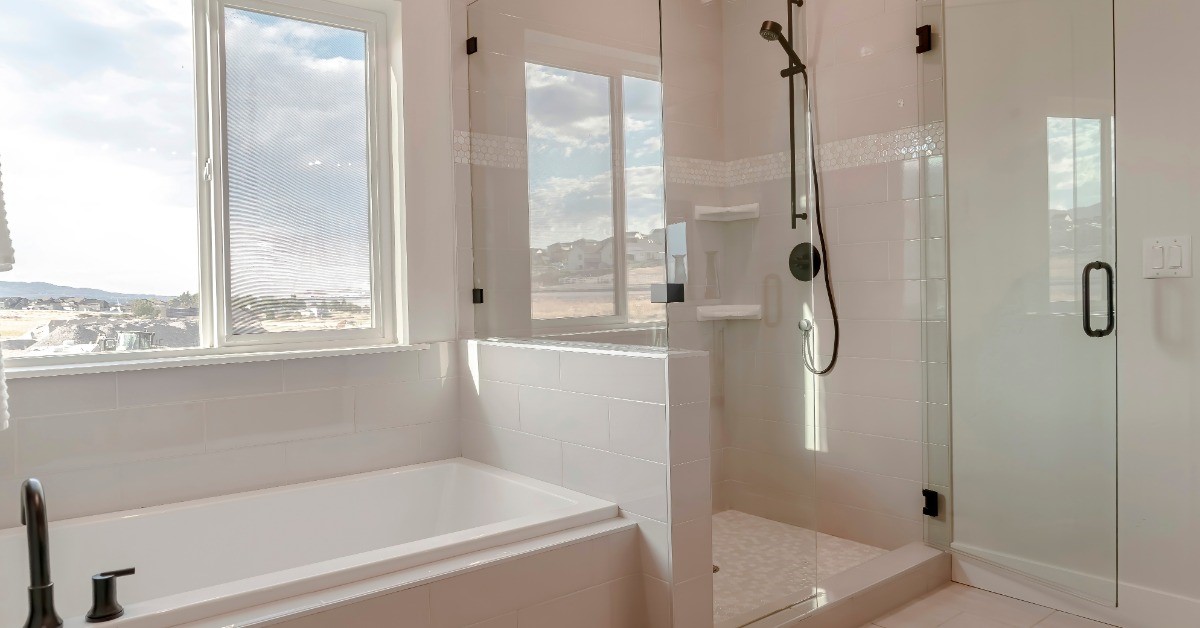
Bathroom remodeling comes with plenty of decisions, from picking new flooring to figuring out where everything should go. One of the biggest choices is deciding what belongs in the bathing area. Should you keep or install a traditional bathtub, or is it finally time to make room for a walk-in shower?
There isn't one answer that works for every homeowner. When considering walk-in showers vs. tubs and which is right for you, think about how you use your bathroom today, how you might use it in the future, and what will make the room more comfortable and practical.
Start With Your Daily Routine
A bathroom should work for the people who actually use it. Before thinking too much about trends, consider your normal morning and evening routines.
If you rarely take baths and primarily use the tub as a place to stand while showering, a walk-in shower may make more sense. It can give you a dedicated showering area without having to step over a high tub wall every day.
On the other hand, homeowners who enjoy soaking in the tub may not want to give it up. A bathtub can also be useful for families with young children, making bath time easier than it might be in a shower-only space.
Your habits should carry more weight than what's currently popular. After all, you're the one who will be using the bathroom every day.
Consider the Amount of Bathroom Space
The size and layout of your bathroom can have a big influence on your decision. A walk-in shower can often create a cleaner, more open appearance, particularly in bathrooms where a bulky tub makes the room feel crowded.
Depending on the layout, replacing a tub with a shower may also provide opportunities to rethink how the bathing area is used. Glass shower doors, for example, can help maintain open sightlines instead of visually dividing the room.
A bathtub still makes sense in plenty of bathrooms, especially when there's enough room to accommodate one comfortably. The goal isn't necessarily to squeeze the most features into the space. It's to create a bathroom that feels comfortable rather than cramped.
Think About Accessibility and Ease of Entry
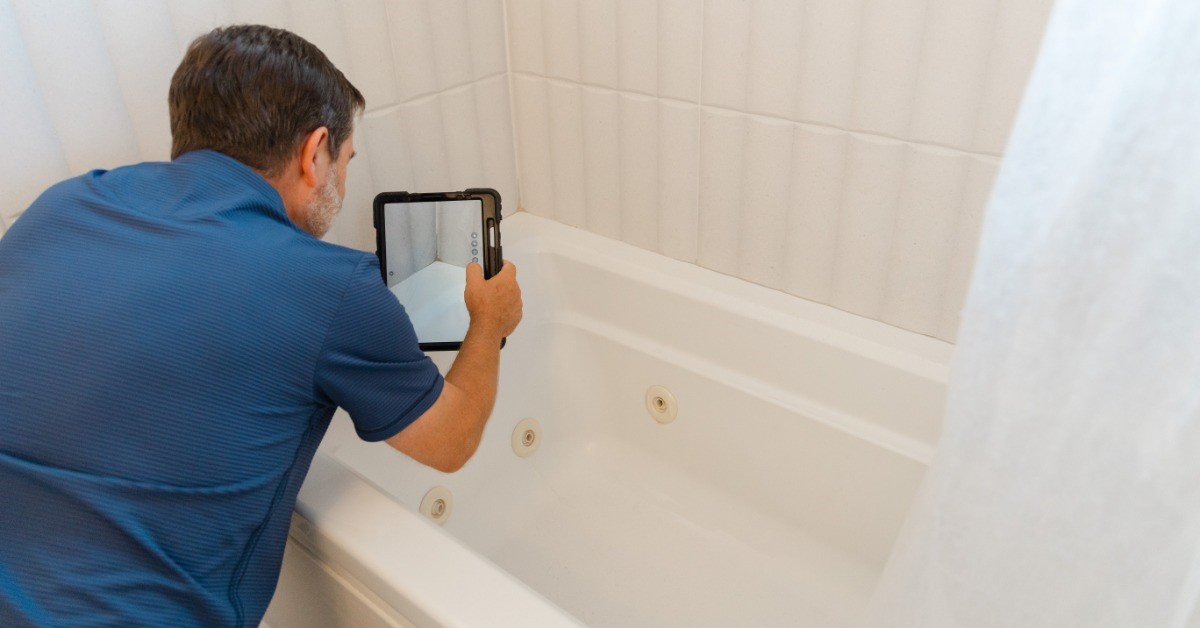
Accessibility is another important consideration. Traditional tubs require users to step over the side to get in and out, and that may become inconvenient or difficult for some people.
Walk-in showers can reduce that barrier, depending on their design. Features such as a lower entry, strategically positioned grab bars, seating, and handheld showerheads may also make the shower more convenient for people with different mobility needs.
Even if accessibility isn't a concern today, it's worth thinking about your future plans. Homeowners who intend to stay in the same house for many years may appreciate a bathroom design that can continue working for them as their needs change.
Don't Forget About Cleaning
Nobody remodels a bathroom because they're excited to spend more time cleaning it. Still, maintenance deserves a place in the conversation.
Both tubs and showers require routine cleaning, but the amount of work involved can depend heavily on the materials and design. Shower doors, grout lines, fixtures, and corners can all collect soap residue and moisture over time. Bathtubs have their own surfaces and surrounding walls that need regular attention.
When comparing your options, look beyond how the finished bathroom will appear in photographs. Consider how easily you'll be able to reach and clean the surfaces on an ordinary Saturday morning.
A simpler design with fewer hard-to-reach areas may make routine bathroom upkeep easier.
Think About Who Uses the Bathroom
The right choice for a primary bathroom may be completely different from the right choice for a children's or guest bathroom. That's why it's helpful to think about each bathroom individually rather than assuming every room needs the same setup.
For a primary bathroom used mainly by adults who prefer showers, a walk-in design can be a practical choice. A bathroom regularly used by young children may benefit more from keeping a tub.
Guest bathrooms require another consideration: flexibility. You won't always know whether visitors prefer a bath or shower, so a tub-and-shower combination can provide both options when space and layout allow.
The best setup is ultimately the one that matches the people who use the room most often.
Look at Your Long-Term Plans
A bathroom remodel is an investment in how your home functions, so it's smart to think beyond your immediate needs. Ask yourself how long you expect to remain in the house and whether your household is likely to change.
If you're remodeling a home you plan to enjoy for many years, personal comfort may be the biggest priority. You can focus on creating a bathroom that works well for your routine rather than worrying excessively about what someone else might prefer.
If you're considering selling in the foreseeable future, flexibility may deserve more attention. Different buyers have different preferences, and families with young children may value having access to a bathtub.
That doesn't automatically mean every home needs a tub in every bathroom. It simply means your future plans should be part of the decision.
Should You Replace a Tub With a Walk-In Shower?
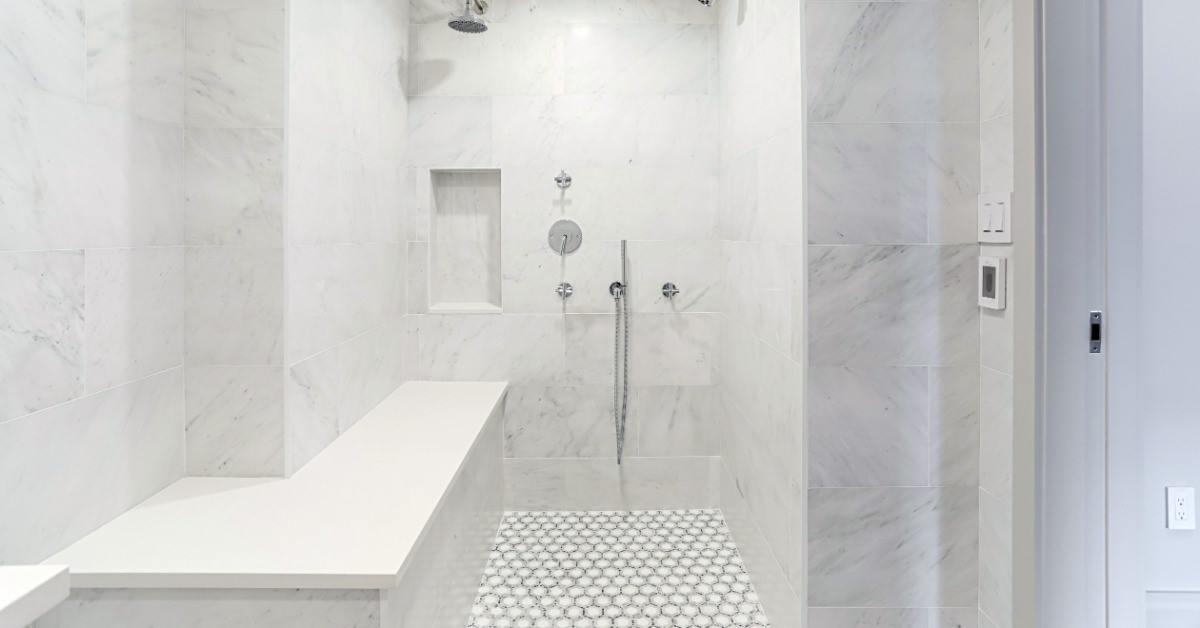
If your existing bathtub doesn't get much use, replacing it with a walk-in shower may be worth considering. This is especially true when easier entry, additional shower space, or a more convenient layout is high on your wish list.
Before moving forward, consider whether another bathtub is available elsewhere in the home and whether anyone in your household regularly needs one. Removing a tub is much easier to feel good about when you know you won't miss it later.
You'll also want to consider what's possible within the existing bathroom. Plumbing locations, available dimensions, surrounding materials, and other conditions can influence the scope of a remodeling project.
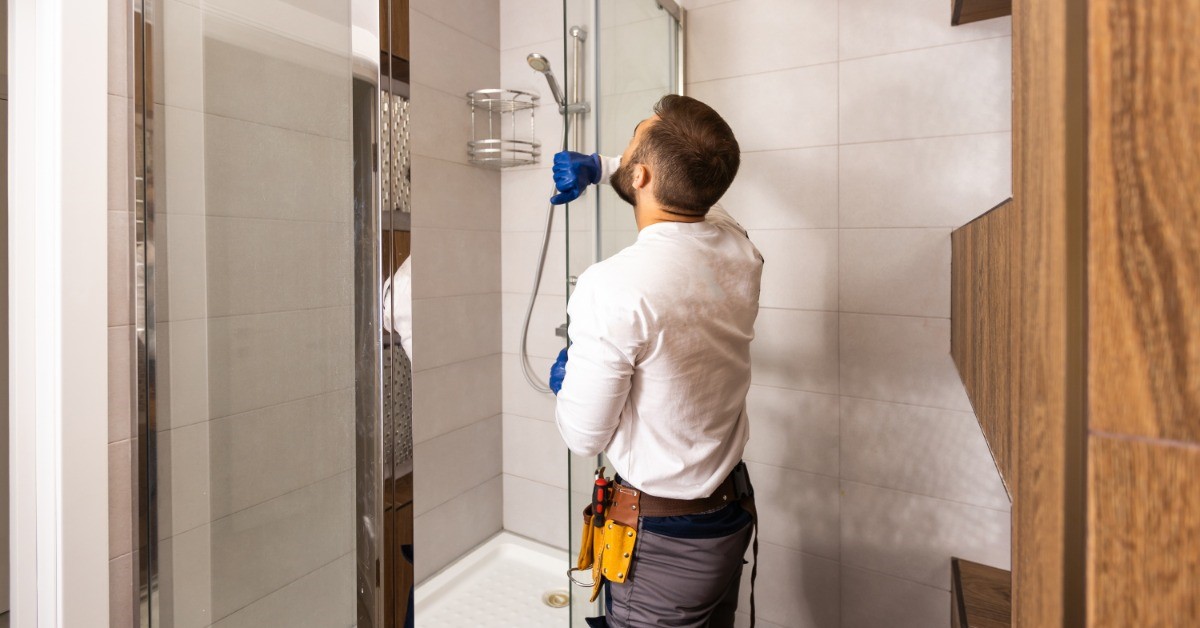
Talking with an experienced shower replacement company can help you understand which options make sense for your particular bathroom rather than trying to force a design that doesn't fit the space.
Making the Right Choice for Your Bathroom
The choice between a walk-in shower and a bathtub depends on what works best for your home and routine. There isn't a universal winner because every bathroom, household, and homeowner has different priorities.
Think about how often you actually take baths, who uses the room, how much space you have, and whether accessibility could become important. Cleaning preferences, comfort, style, and long-term plans deserve consideration as well.
A bathroom remodel gives you the chance to create a space that fits your life instead of simply replacing what's already there. Whether that means a comfortable walk-in shower, a traditional bathtub, or a combination of both, choosing around your everyday needs can help you get more enjoyment out of the finished bathroom.
Subscribe to Reece Builders's Blog



Comments