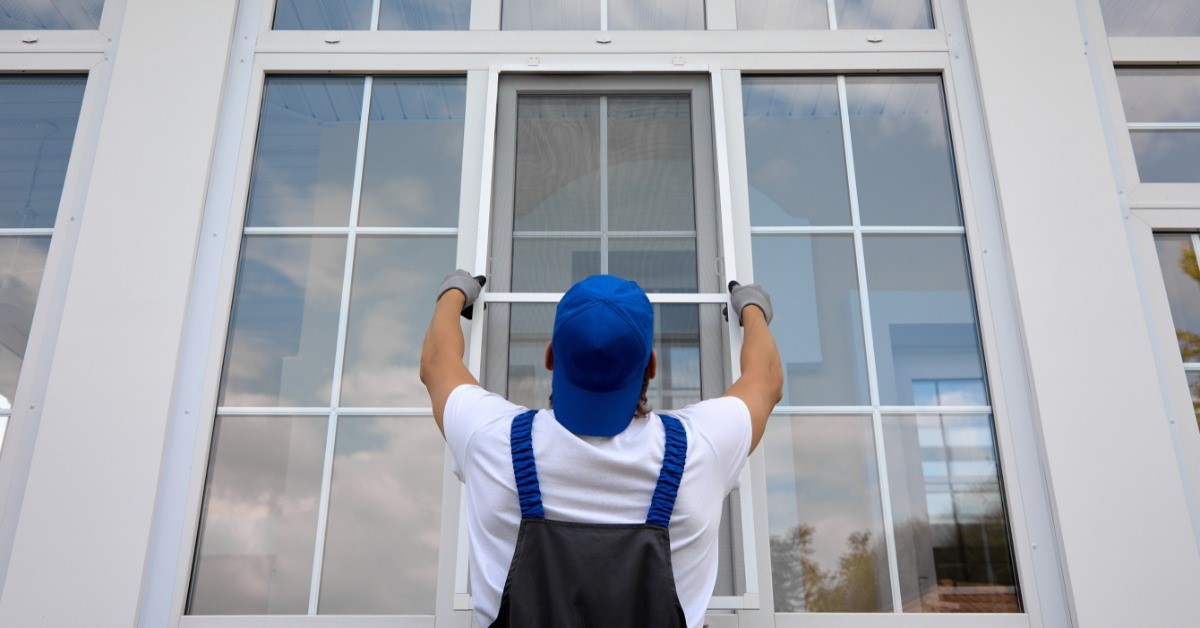
When homeowners think about new windows, they often focus on style, size, or material. While those details matter, where a window is placed can have just as much impact on the comfort and efficiency of a home. In fact, how window placement affects natural light and energy use is one of the most important factors to consider during a window installation or renovation project.
Why Window Placement Matters
Windows do much more than provide a view outside. They act as a bridge between the indoors and outdoors, allowing sunlight, heat, and fresh air to enter your home.
The amount of natural light a room receives depends heavily on the direction the windows face and where they are positioned within the space. A thoughtfully designed window layout can make rooms feel larger, more welcoming, and more comfortable throughout the day.
Energy efficiency is also closely tied to window placement. The sun's position changes throughout the day and across the seasons, affecting how much heat enters your home. Strategic placement helps take advantage of natural warmth in winter while reducing unwanted heat gain during summer.
Understanding Sunlight and Home Orientation
Every side of your home receives sunlight differently. Knowing how the sun moves across the sky can help explain why window placement is so important.
South-Facing Windows
South-facing windows typically receive the most sunlight throughout the day. In the winter, they allow valuable solar heat to enter the home, helping reduce heating costs.
During the summer, however, these windows can let in significant heat if they are not properly shaded. Features such as awnings, overhangs, or energy-efficient glass can help manage heat gain while still allowing plenty of natural light.
North-Facing Windows
North-facing windows generally provide consistent, indirect light. Because they receive less direct sunlight, they produce minimal glare and help maintain stable indoor temperatures.
These windows are often ideal for home offices, kitchens, and living spaces where steady lighting is preferred throughout the day.
East-Facing Windows
East-facing windows capture morning sunlight. This bright, gentle light can help warm rooms early in the day without causing excessive afternoon heat buildup.
Bedrooms and breakfast areas often benefit from eastern exposure because they receive pleasant natural light during the morning hours.
West-Facing Windows
West-facing windows receive intense afternoon and evening sunlight. While this can create beautiful evening views, it may also contribute to higher indoor temperatures during warmer months.
Proper shading and high-performance windows can help reduce overheating while preserving natural light benefits.
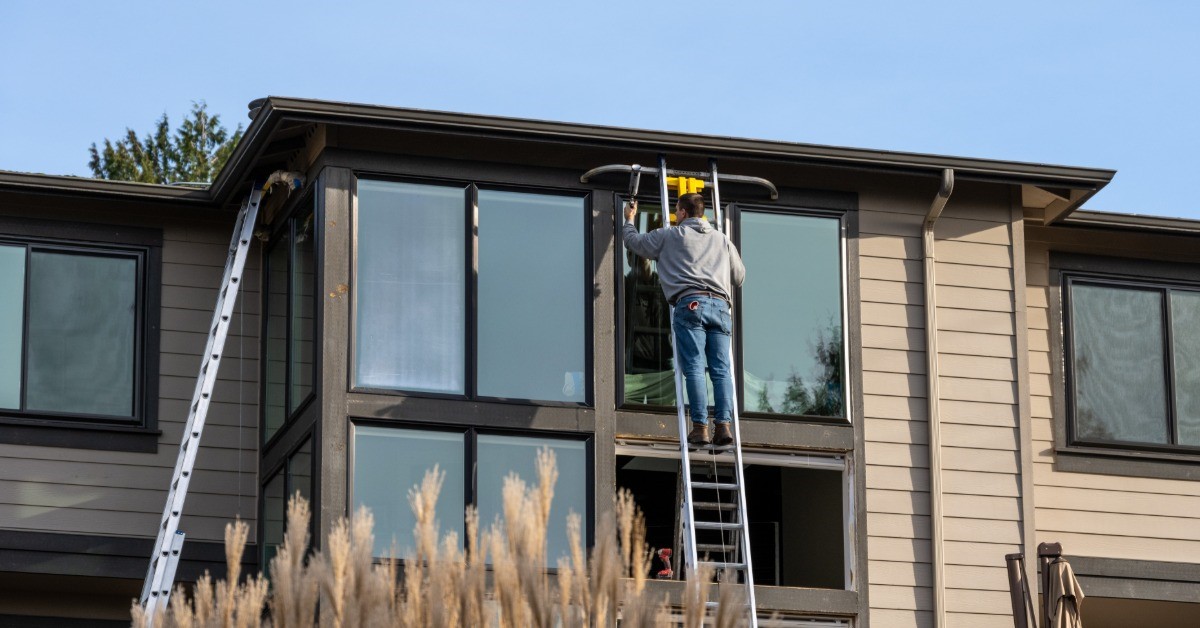
Maximizing Natural Light Indoors
Natural light offers several advantages beyond simply reducing the need for lamps and overhead fixtures. Bright spaces often feel more open, inviting, and comfortable.
Strategic window placement can help distribute sunlight evenly throughout a room. Large windows positioned across from each other can allow light to travel deeper into the space, minimizing dark corners and creating a more balanced appearance.
Rooms with multiple windows placed on different walls often experience better overall illumination. This approach reduces shadows and provides a softer, more natural lighting effect throughout the day.
Homeowners frequently notice that well-lit spaces feel larger than rooms with limited natural light. This can be especially beneficial in smaller homes where maximizing the sense of space is a priority.
Reducing Energy Costs Through Smart Placement
One of the biggest benefits of thoughtful window placement is improved energy efficiency. Properly positioned windows can reduce reliance on both artificial lighting and heating or cooling systems.
During daylight hours, natural light can significantly reduce electricity usage. Rooms that receive ample sunlight often require fewer lights to be turned on, even during cloudy days.
In colder months, windows positioned to capture sunlight can contribute to passive solar heating. The sun naturally warms interior surfaces, helping maintain comfortable temperatures with less strain on heating equipment.
At the same time, careful placement helps avoid excessive heat gain during summer. Combining proper orientation with energy-efficient window products allows homeowners to enjoy natural light without increasing cooling costs.
Room-by-Room Considerations
Different rooms have different lighting and comfort needs. Window placement should reflect how each space is used throughout the day.
Living Rooms
Living rooms often serve as gathering spaces where families spend significant time. Large windows that bring in abundant daylight can create a bright and welcoming atmosphere.
South-facing or east-facing windows often work well in these areas, providing consistent light while supporting energy efficiency goals.
Kitchens
Kitchens benefit from bright, even lighting that supports cooking and food preparation. Windows near work areas can reduce dependence on artificial lighting during daytime hours.
Many homeowners appreciate east-facing kitchen windows that allow morning sunlight to brighten the space early in the day.
Bedrooms
Bedroom window placement should balance natural light with comfort and privacy. East-facing windows can provide pleasant morning light, while appropriate window treatments help control brightness when needed.
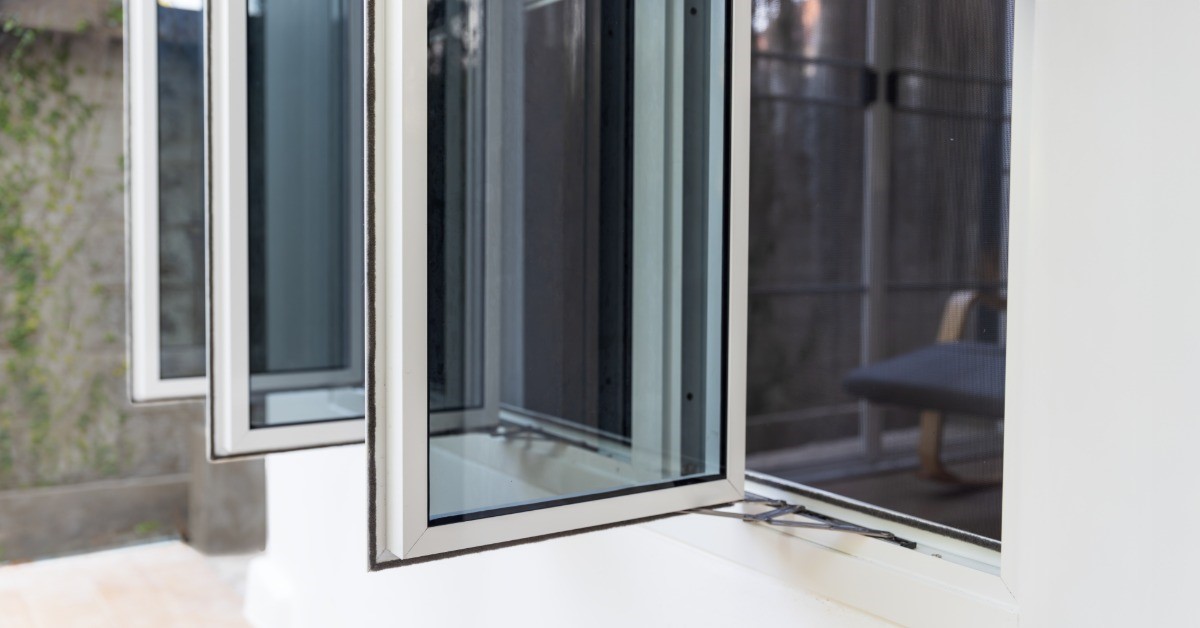
Proper placement also promotes natural ventilation, improving indoor comfort throughout the year.
Home Offices
With more people working from home, natural light has become increasingly important in office spaces. North-facing windows often provide consistent illumination without excessive glare on computer screens.
Positioning windows thoughtfully can help create a more productive and comfortable work environment.
Balancing Light, Privacy, and Comfort
While maximizing natural light is important, homeowners must also consider privacy and comfort. Strategic window placement helps achieve both goals.
High windows, clerestory windows, and carefully positioned openings can bring in sunlight without exposing living spaces to neighboring properties. This approach allows homeowners to enjoy bright interiors while maintaining privacy.
Thoughtful placement also helps minimize glare on televisions, computer screens, and other surfaces. By considering room layout during the planning process, homeowners can create spaces that are both functional and visually appealing.
This balance between lighting, privacy, and efficiency is one reason experienced professionals place so much emphasis on window design during renovation projects.
Working With Experienced Professionals
Determining the best window placement requires more than simply choosing attractive products. Factors such as home orientation, room function, climate, and architectural style all play a role.
Experienced installers understand how these elements work together to maximize both natural light and energy performance. Homeowners who work with qualified professionals often achieve better long-term results because every aspect of the installation is carefully considered.
If you're considering new windows, consulting with window contractors in Winston-Salem, North Carolina can help ensure your project delivers the right combination of beauty, comfort, and efficiency.
Bringing It All Together
Understanding the impact of window positioning on daylight and energy efficiency can help homeowners make informed decisions that improve both comfort and utility costs. The right placement allows sunlight to brighten interior spaces, supports natural heating and cooling, and enhances overall livability.
Whether you're building a new home or upgrading existing windows, thoughtful planning can make a significant difference. By considering orientation, room function, ventilation, and seasonal sunlight patterns, homeowners can create spaces that feel brighter, more comfortable, and more energy efficient for years to come.
Subscribe to Reece Builders's Blog





Comments