
Hurricane season can bring strong winds, heavy rain, and flying debris that put every part of your home to the test. While many homeowners think first about their roof, your windows are just as important when severe weather rolls in. Taking a little time before storms arrive can make a big difference in protecting your home and your family.
How to prepare your windows for hurricane season is something every homeowner in hurricane-prone areas should think about well before the forecast turns ugly. A proactive approach helps reduce damage, improves safety, and can even save you money on costly repairs after a storm. Instead of scrambling at the last minute, you can feel confident knowing your windows are ready for whatever nature brings.
Inspect Your Windows for Existing Damage
Before hurricane season begins, take a close look at every window around your home. Even small problems can become much bigger when high winds and heavy rain arrive. Tiny cracks, loose frames, or damaged seals may allow water to enter your home or make the window more vulnerable to impact.
Walk around both the inside and outside of your home. Look for chipped glass, rotting wood, warped frames, or gaps where air or moisture could get inside. If you notice any issues, schedule repairs as soon as possible. Waiting until a storm is approaching may leave you without enough time to fix the problem properly.
Older windows deserve extra attention because years of exposure to the elements can weaken their overall structure. Replacing damaged windows before hurricane season is often a smarter investment than paying for emergency repairs afterward.
Check the Window Seals
Window seals help keep water, wind, and moisture outside where they belong. Over time, caulking can dry out, crack, or separate from the frame. Once that happens, water has an easy path into your home.
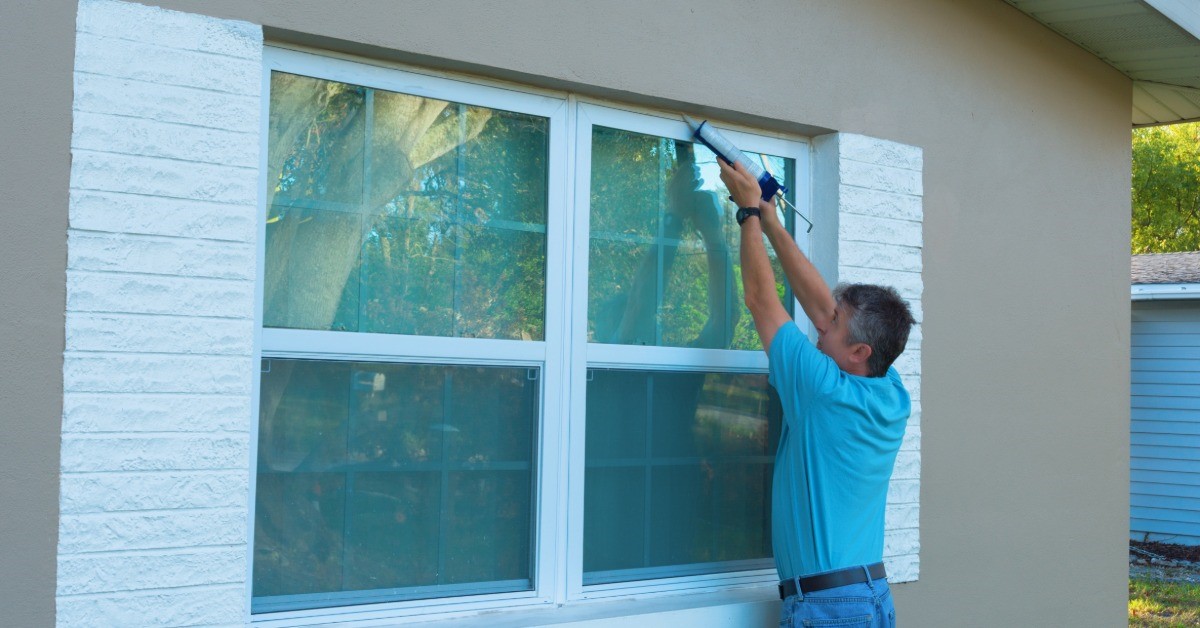
Carefully inspect the caulking around each window. If you notice cracks or missing sections, remove the old material and apply fresh exterior-grade caulk. This relatively simple project helps improve your home's weather resistance while also improving energy efficiency throughout the year.
Weatherstripping should also be checked around movable windows. If it has become brittle or damaged, replacing it can provide a tighter seal before severe weather arrives.
Secure Loose Window Frames
Strong hurricane winds place tremendous pressure on window frames. Even if the glass itself remains intact, loose frames can shift or fail under stress.
Check that all screws, fasteners, and hardware remain tight. If you notice movement when opening or closing a window, it may need professional adjustment or reinforcement. Windows should open and close smoothly while fitting securely within their frames.
Properly secured windows not only withstand storms better but also improve everyday performance by reducing drafts and improving insulation.
Trim Trees Near Your Home
Many broken windows during hurricanes are caused by flying tree limbs rather than wind alone. Branches hanging over your roof or growing close to your windows can quickly become dangerous projectiles.
Trim back dead, weak, or overgrown branches before hurricane season begins. Remove limbs that could easily break during strong winds. Healthy trees are generally more resilient, but regular maintenance still reduces unnecessary risks.
If large trees appear unstable or unhealthy, consider having an arborist evaluate whether removal is the safest option.
Install Hurricane Protection
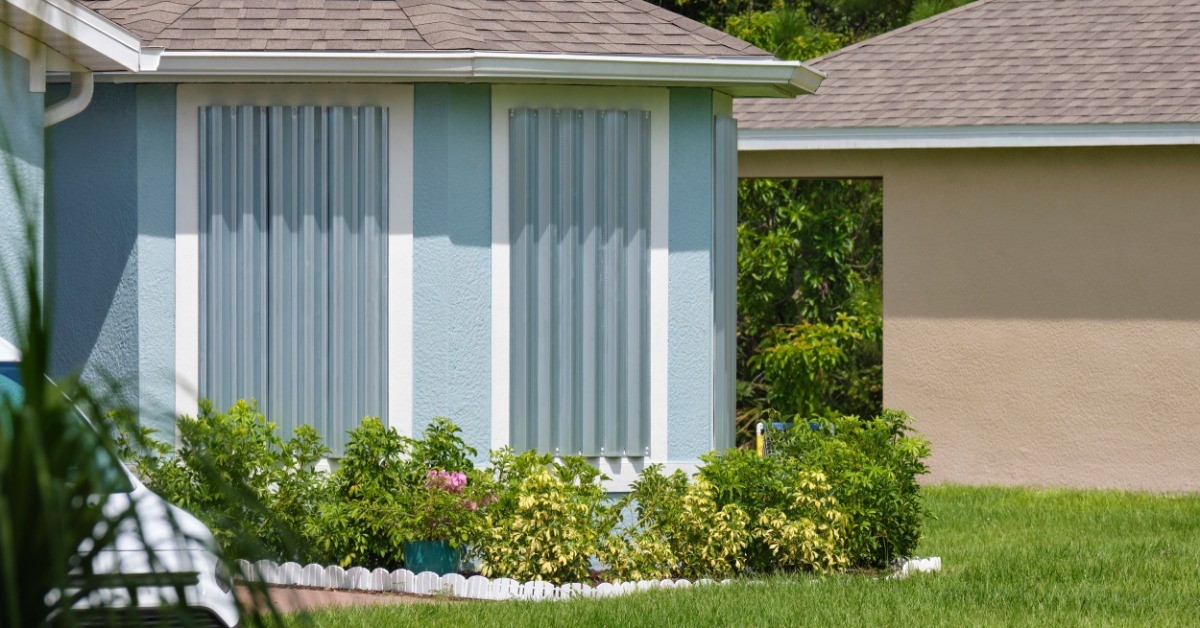
One of the best ways to protect your windows is by adding a physical barrier against flying debris. Hurricane shutters are specifically designed to absorb impacts and reduce the likelihood of broken glass.
Several shutter styles are available depending on your home's appearance and your budget. Permanent shutters provide convenience, while removable panels offer reliable protection when installed before storms.
If shutters are not an option, impact-resistant window systems may be worth considering during future home improvement projects. These specially designed windows offer additional strength without changing your home's appearance.
Keep Window Tracks Clean
Sliding windows and other movable styles rely on clean tracks to operate properly. Dirt, leaves, and debris can interfere with how tightly a window closes.
Vacuum or wipe out window tracks regularly before hurricane season. Clean tracks allow windows to seal more effectively and reduce the chance of water intrusion during heavy rain.
Lubricate moving parts if needed, but avoid products that attract dirt or leave sticky residue. A smoothly operating window is easier to secure quickly when severe weather approaches.
Prepare an Emergency Window Kit
Waiting until a hurricane warning is issued often means stores become crowded and supplies disappear quickly. Preparing a simple emergency kit ahead of time saves both time and stress.
Include heavy-duty plastic sheeting, waterproof tape, gloves, flashlights, extra batteries, and basic hand tools. While plastic sheeting will not prevent broken glass, it can temporarily help reduce water intrusion if a window becomes damaged during a storm.
Store your emergency supplies in an easily accessible location so they're ready whenever needed.
Consider Upgrading Older Windows
Many homes still have aging windows that were never designed to withstand today's stronger storms. If your windows are decades old, replacing them could improve both safety and overall home comfort.
Modern window systems often feature stronger frames, better locking mechanisms, and improved weather resistance. They also help reduce outside noise, improve energy efficiency, and enhance curb appeal.
If you're already planning home improvements, garden window installation can provide beauty and functionality while still allowing you to choose products designed for your region's weather conditions.
Don't Wait Until a Storm Is Forecast
One of the biggest mistakes homeowners make is delaying preparations until a hurricane has already formed. By then, contractors may be fully booked, stores may run out of supplies, and weather conditions may make outdoor work unsafe.
Create a seasonal maintenance checklist and complete inspections several weeks before hurricane season reaches its peak. Address repairs early so your home is fully prepared well before severe weather becomes a concern.
Planning ahead also gives you time to compare repair options, schedule professional installations, and make thoughtful decisions instead of rushed ones.
Professional Window Inspections Provide Peace of Mind
Sometimes window issues aren't obvious during a quick visual inspection. Experienced professionals can identify structural weaknesses, hidden moisture damage, or worn components that homeowners may overlook.
A professional inspection can help determine whether simple repairs are enough or if replacement would provide better long-term protection. Experienced installers understand local weather conditions and can recommend products that perform well during hurricane season.
Investing in preventative maintenance often costs far less than repairing extensive storm damage after a hurricane passes.
Preparation is Key
Storm season can be unpredictable, but preparing your home doesn't have to be overwhelming. By inspecting your windows, repairing small problems, trimming nearby trees, reinforcing vulnerable areas, and considering upgrades when needed, you'll greatly improve your home's ability to withstand severe weather.
Taking action before storms develop gives you valuable peace of mind and helps protect everything inside your home. Getting your windows ready before hurricane season arrives is one of the smartest investments you can make in your home's safety, comfort, and long-term value.
Subscribe to Reece Builders's Blog




Comments