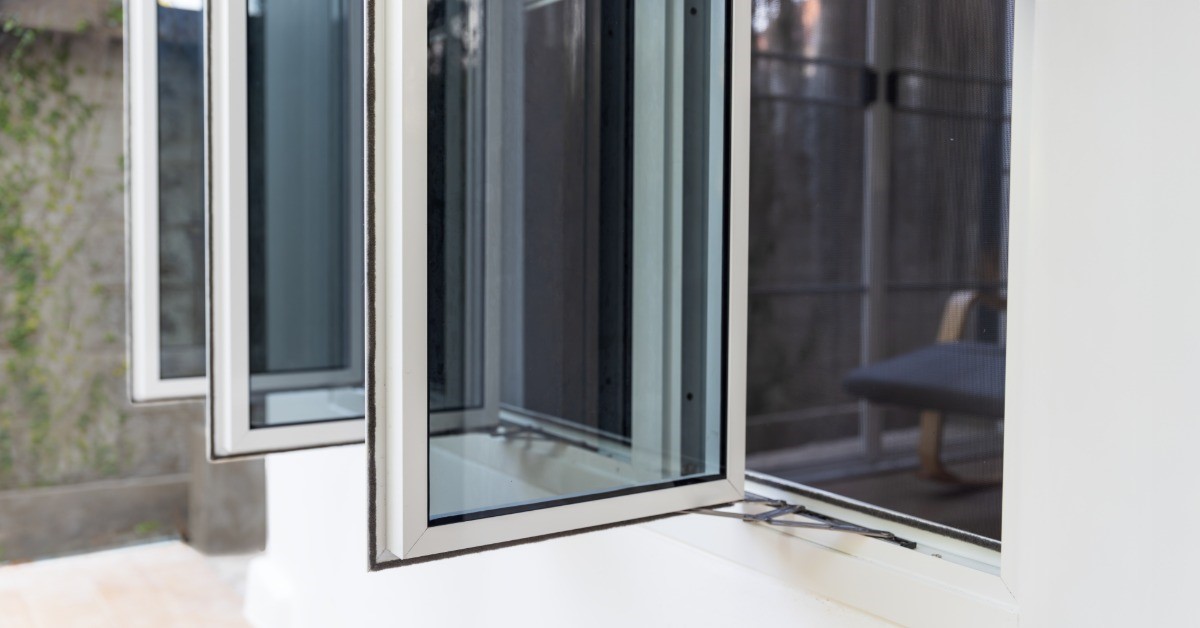
When you're shopping for new windows, it's easy to focus on how they look from the curb. But what really makes a window perform well is everything working behind the scenes. The anatomy of a casement window includes several carefully designed parts that help it open smoothly, seal tightly, and stand up to years of daily use.
Casement windows have become a favorite choice for homeowners because they combine clean looks with excellent ventilation and energy efficiency. Knowing how each component works can help you make a more informed decision when it's time to upgrade your home. Whether you're replacing aging windows or building a new house, understanding the design of a casement window makes the buying process much easier.
The Window Frame
Every casement window starts with a sturdy frame. This is the fixed portion that is securely attached to your home's wall and serves as the foundation for every moving part.
Frames are commonly made from vinyl, fiberglass, wood, or aluminum-clad materials. Each option offers different advantages in terms of maintenance, appearance, and durability. A properly installed frame keeps the window square and stable while supporting years of opening and closing without excessive wear.
The frame also plays a major role in preventing air and water from entering your home. Quality construction and professional installation help ensure the entire window system performs as intended.
The Sash
The sash is the portion of the window that actually moves. It holds the glass securely in place while allowing the window to swing outward when opened.
Unlike double-hung windows that slide vertically, the casement sash pivots on hinges attached to one side. Because the sash closes tightly against the frame, it creates an excellent weather seal that helps reduce energy loss.
Modern sashes are engineered to remain rigid even with large glass panels. This helps prevent warping while maintaining smooth operation over many years.
Hinges That Make It All Work
The hinges are some of the hardest-working components in a casement window. They allow the sash to swing outward while supporting the full weight of the glass and frame.
High-quality stainless steel or corrosion-resistant hinges are designed to withstand years of weather exposure. Since the hinges carry significant weight every time the window is opened, durable hardware makes a noticeable difference in long-term reliability.
Proper hinge alignment also helps the sash close evenly, creating a tight seal around the entire window.
The Crank Operator
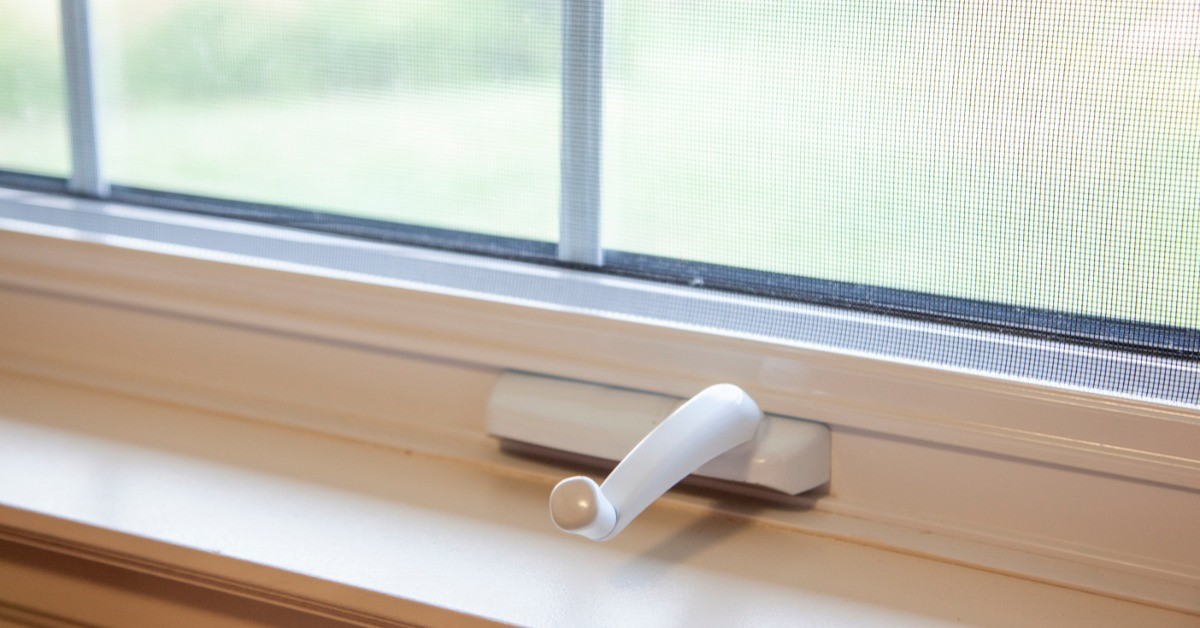
One feature that immediately sets casement windows apart is the crank handle. Instead of pushing or lifting the window manually, homeowners simply turn the handle to open or close it.
Inside the frame sits an operating mechanism that converts the turning motion into smooth outward movement. This system allows even large windows to be opened with minimal effort.
The crank operator also gives homeowners precise control over ventilation. You can crack the window slightly for gentle airflow or fully open it to capture passing breezes.
The Locking System
Security is another strength of casement windows. Most models include multi-point locking systems that pull the sash tightly against the frame when locked.
Instead of relying on a single latch, multiple locking points distribute pressure evenly around the window. This not only improves security but also strengthens the weather seal.
Because the sash cannot easily be forced open from the outside when locked, many homeowners appreciate the added peace of mind casement windows provide.
Weatherstripping
Weatherstripping may not be the most noticeable part of a window, but it has a major impact on comfort and efficiency.
Flexible strips of durable material are placed around the edges of the sash to create an airtight seal whenever the window is closed. This barrier helps prevent drafts, moisture intrusion, and outside noise from entering your home.
Over time, weatherstripping may wear down due to age and exposure. Fortunately, it can often be replaced without replacing the entire window.
The Glass Package
Today's casement windows offer much more than a simple pane of glass. Modern insulated glass units typically contain two or even three panes separated by insulating gas-filled spaces.
Low-E coatings help reflect unwanted heat while allowing natural light to enter your home. This improves energy efficiency while keeping indoor temperatures more consistent throughout the year.
Depending on your home's location and needs, different glass options can also improve noise reduction, UV protection, and storm resistance.
Window Screens
Unlike many other window styles, casement window screens are typically mounted on the inside of the home. Since the window swings outward, the screen remains protected from harsh weather.
Interior-mounted screens are also easier to remove for cleaning and maintenance. They provide insect protection without interfering with the window's operation.
Many homeowners appreciate that the full glass area remains visible when the window is closed, creating clean, uninterrupted views.
Why Every Component Matters
Each part of a casement window has a specific purpose, but they all work together as one complete system. A premium glass package won't perform its best without quality weatherstripping. Likewise, durable hinges and locking hardware help maintain a proper seal that supports energy efficiency.
When every component is designed to work together, homeowners enjoy smoother operation, improved comfort, lower energy costs, and longer-lasting performance.
This is one reason professionally manufactured windows often outperform lower-quality alternatives. Precision engineering helps every piece function exactly as intended.
Choosing Quality Makes a Difference
Not all casement windows are built the same. Differences in materials, hardware, construction methods, and installation quality can have a significant impact on long-term performance.
Homeowners should consider factors such as frame durability, hardware quality, glass options, warranty coverage, and professional installation when comparing products. Investing in well-built windows often pays off through improved comfort and reduced maintenance over time.
Many homeowners also choose custom casement windows because they can be tailored to match unique architectural styles while providing the precise size and performance needed for each opening.
Understanding How Everything Works Together
Now that you've seen the structure and components that make up a casement window, it's easier to appreciate why this window style remains one of the most popular choices for homeowners. Every hinge, seal, crank, lock, and pane of glass contributes to smooth operation, energy efficiency, and lasting durability.
Whether you're replacing a single window or updating your entire home, understanding how these parts function together allows you to make confident decisions. A well-built casement window is more than attractive glass in a frame. It's a carefully engineered system designed to provide comfort, security, and dependable performance for years to come.
Subscribe to Reece Builders's Blog


Comments